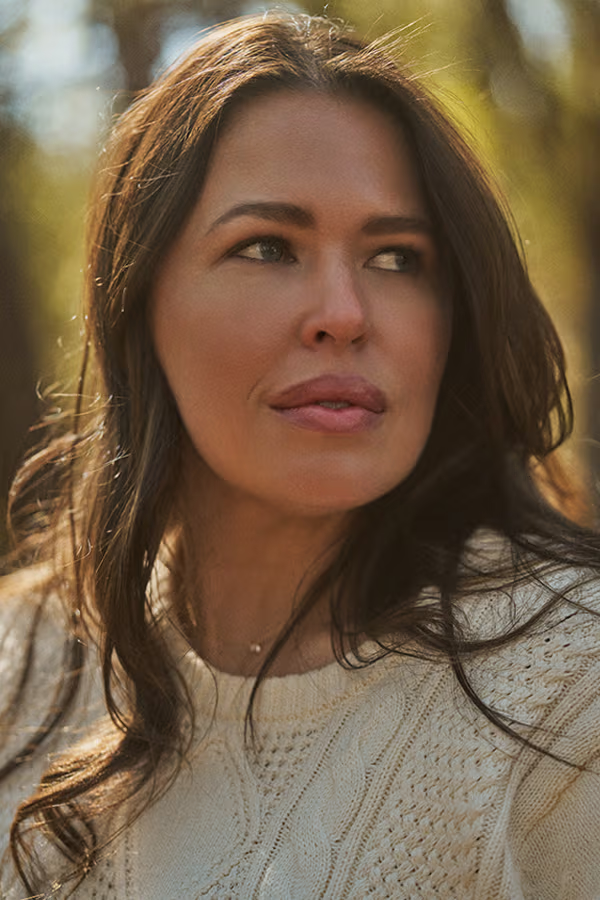
Corners of the Mouth
This area affects expression and can contribute to a downturned or unhappy appearance when it becomes heavy or pulls downward.
get started.webp)
This area affects expression and can contribute to a downturned or unhappy appearance when it becomes heavy or pulls downward.
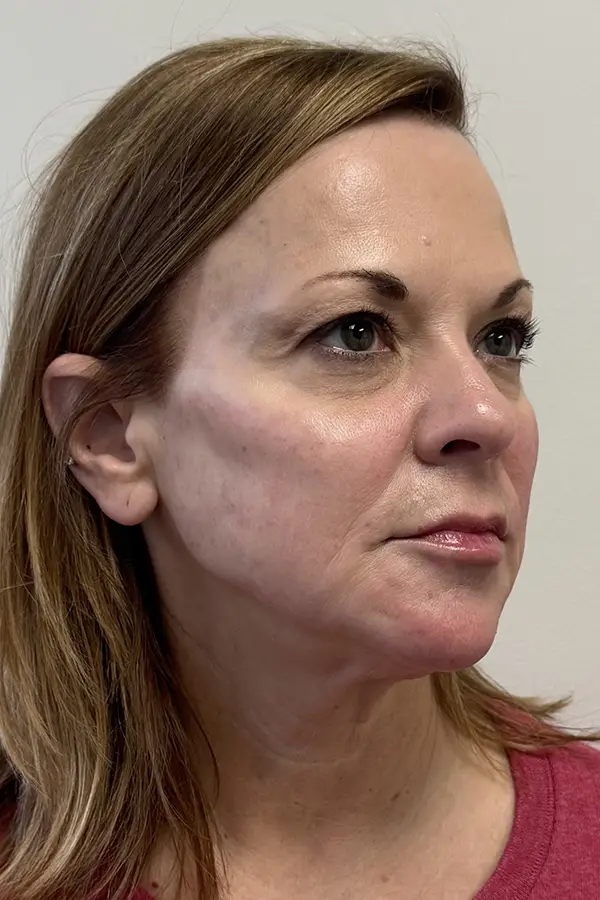
get startedThe oral commissures — the corners of the mouth — are controlled primarily by the depressor anguli oris (DAO), a triangular muscle that pulls the mouth corners downward. As the DAO becomes hyperactive or as the overlying tissue loses support, the corners of the mouth descend, creating a downturned appearance that reads as sadness, displeasure, or fatigue regardless of the patient's actual mood.
The marionette lines — the vertical creases running from the mouth corners toward the chin — form as the tissue below the commissure loses support and the DAO continues pulling downward. The combination of downturned corners and marionette lines is one of the most expressive aging changes in the lower face.
When the corners turn down, the whole face looks like it has something to say.
The oral commissures — the corners of the mouth — are controlled primarily by the depressor anguli oris (DAO), a triangular muscle that pulls the mouth corners downward. As the DAO becomes hyperactive or as the overlying tissue loses support, the corners of the mouth descend, creating a downturned appearance that reads as sadness, displeasure, or fatigue regardless of the patient's actual mood.
The marionette lines — the vertical creases running from the mouth corners toward the chin — form as the tissue below the commissure loses support and the DAO continues pulling downward. The combination of downturned corners and marionette lines is one of the most expressive aging changes in the lower face.
When the corners turn down, the whole face looks like it has something to say.
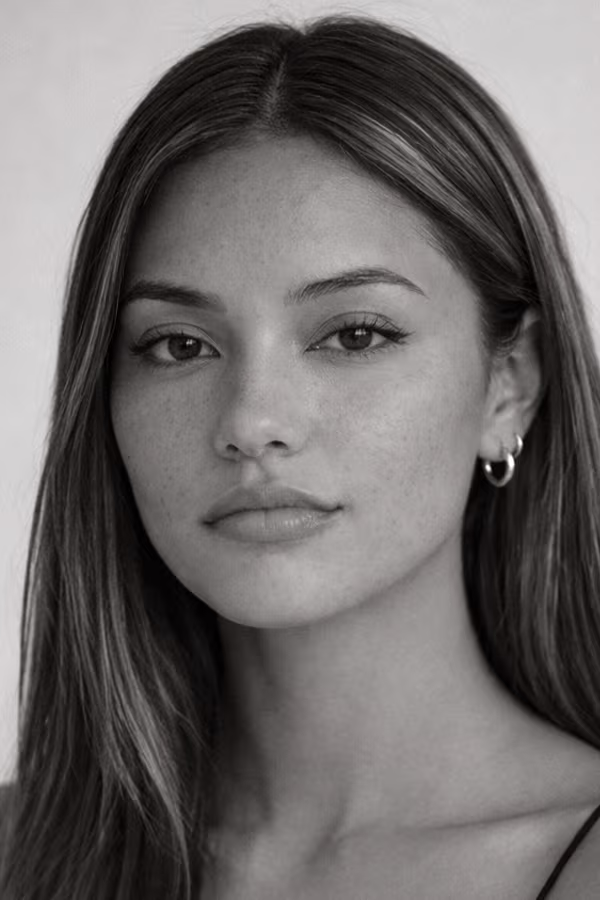
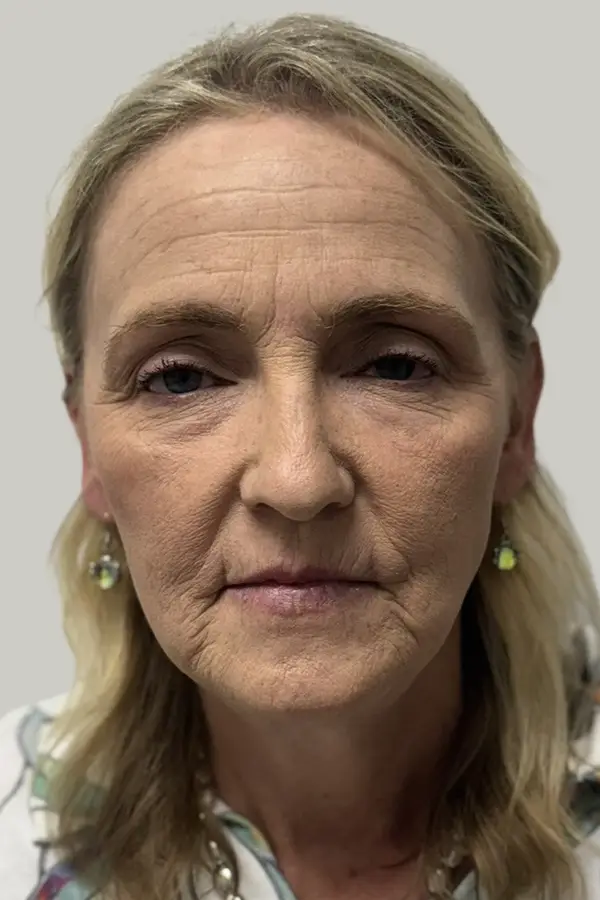
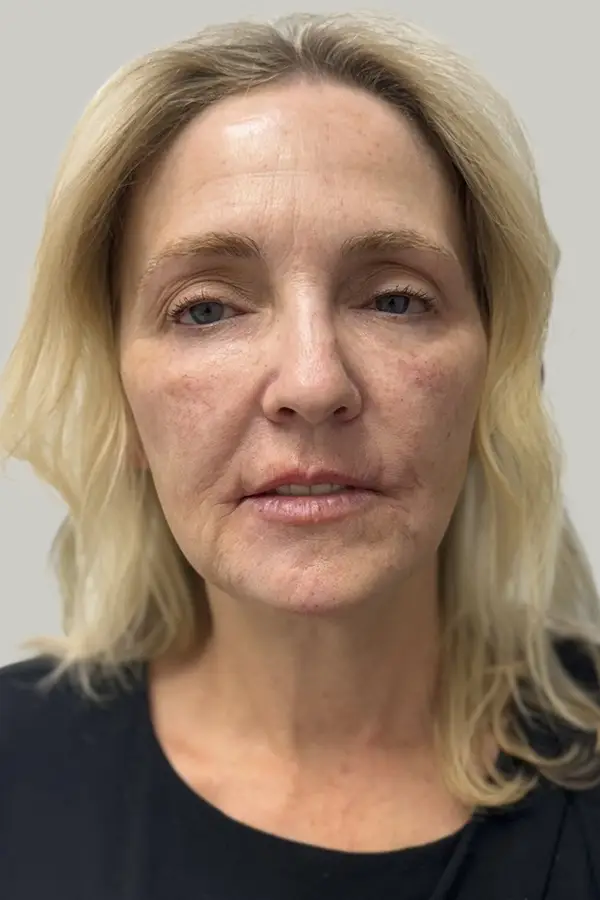
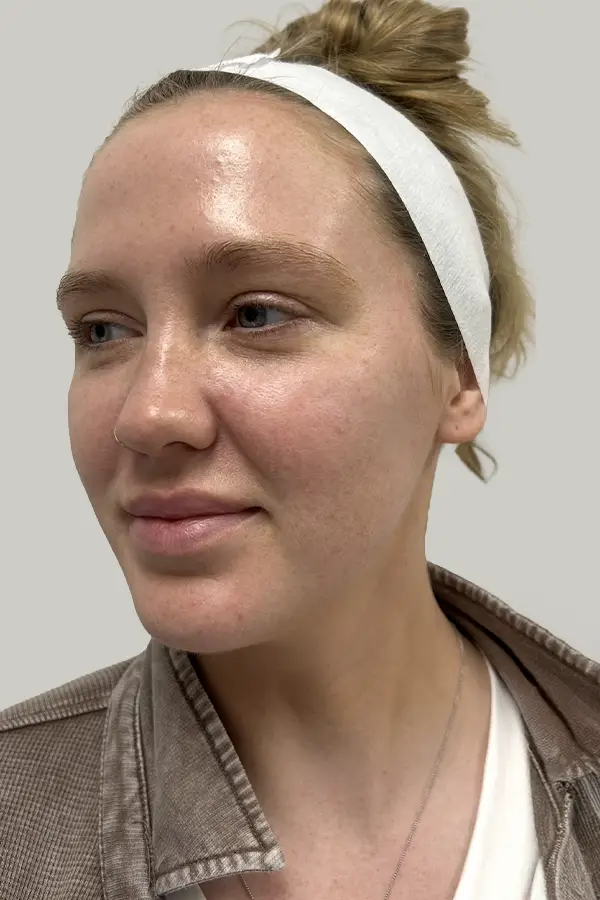
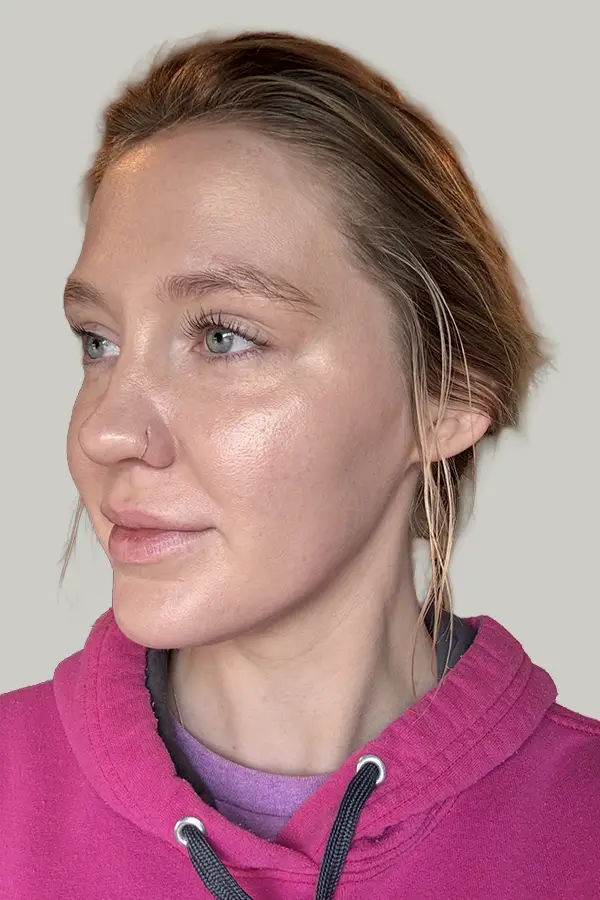
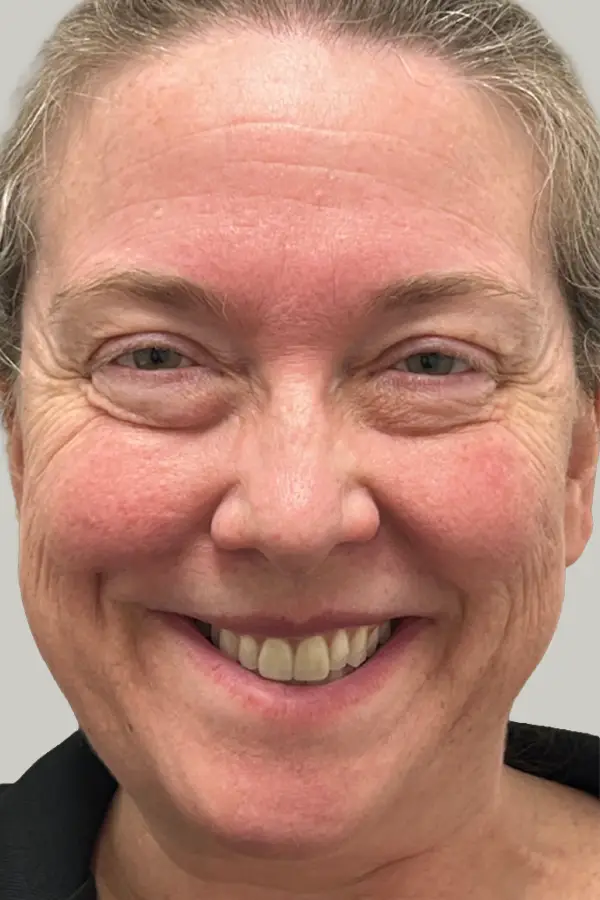
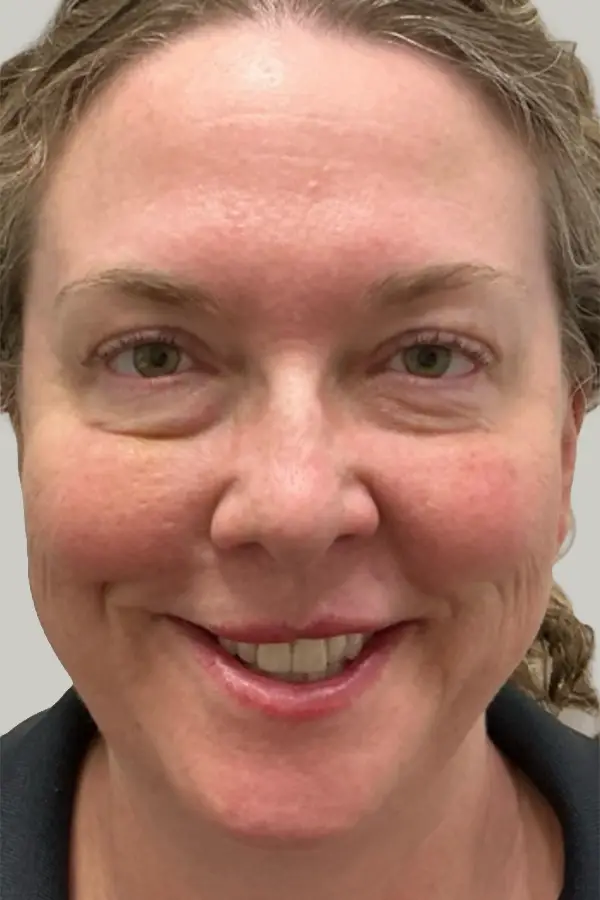
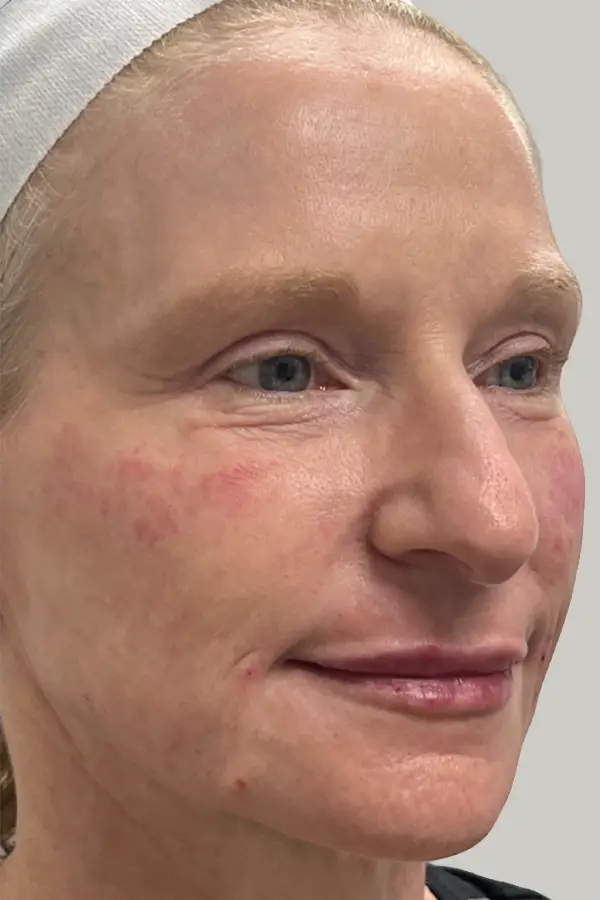
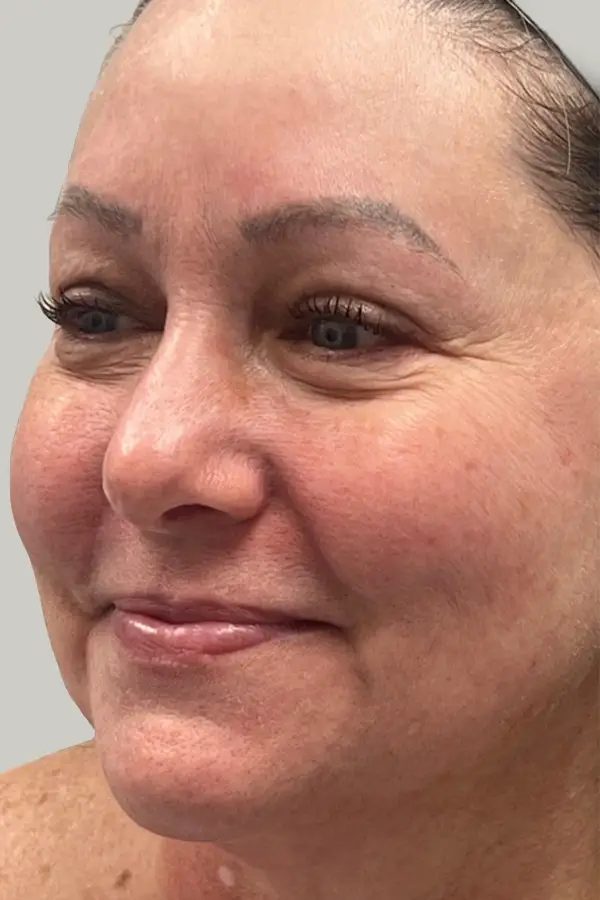
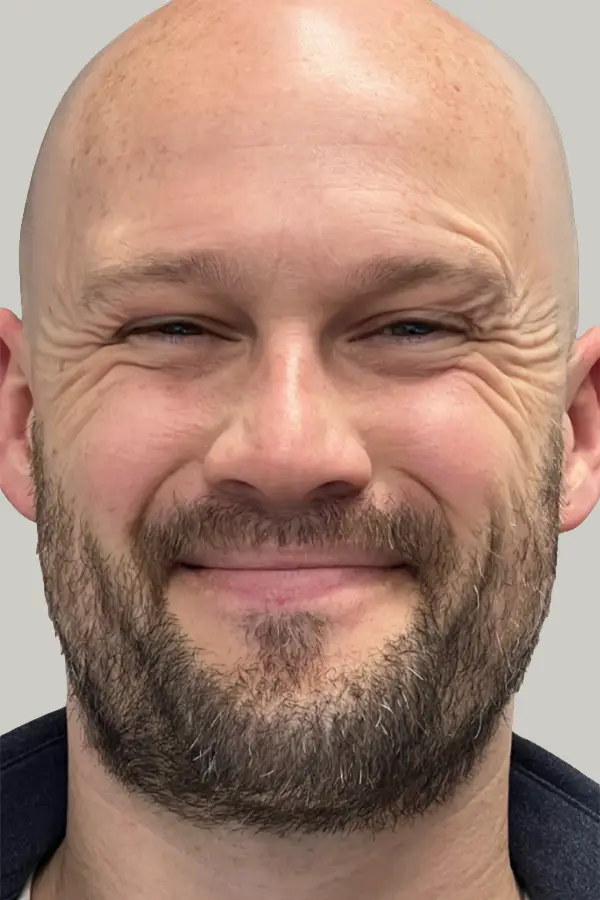
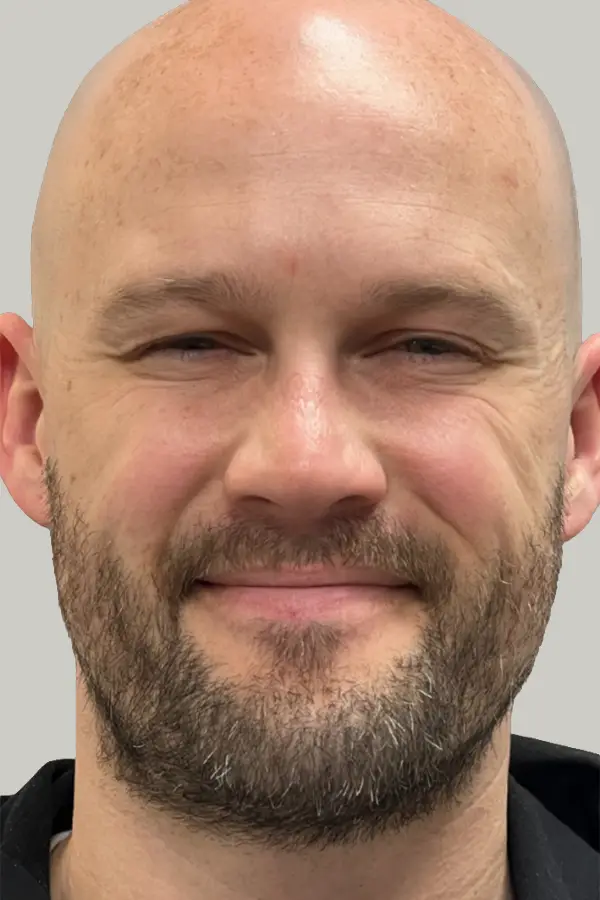
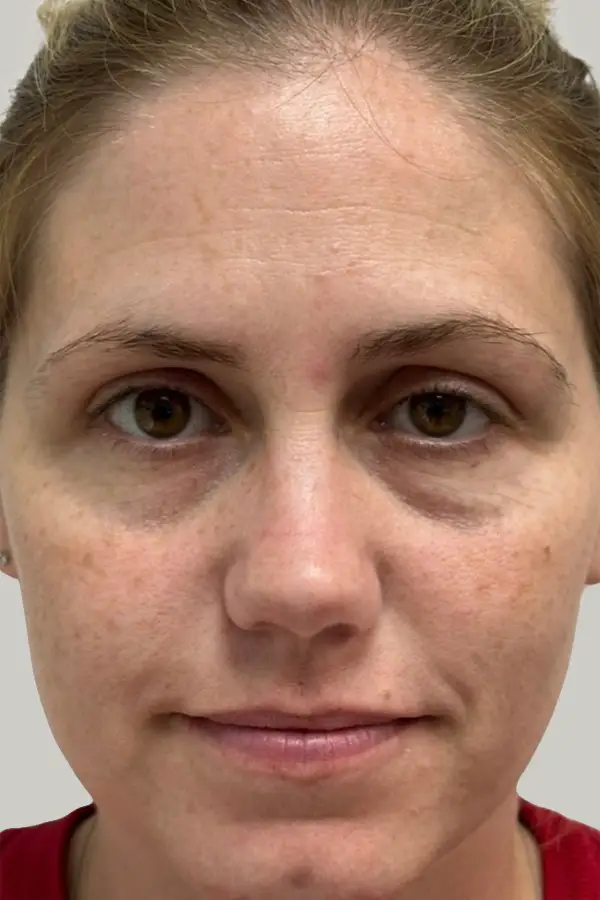
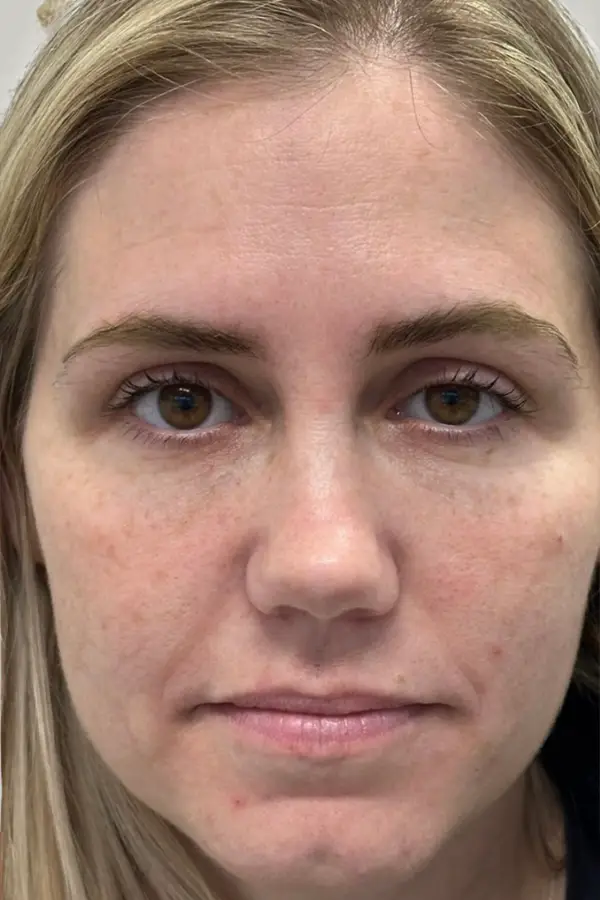
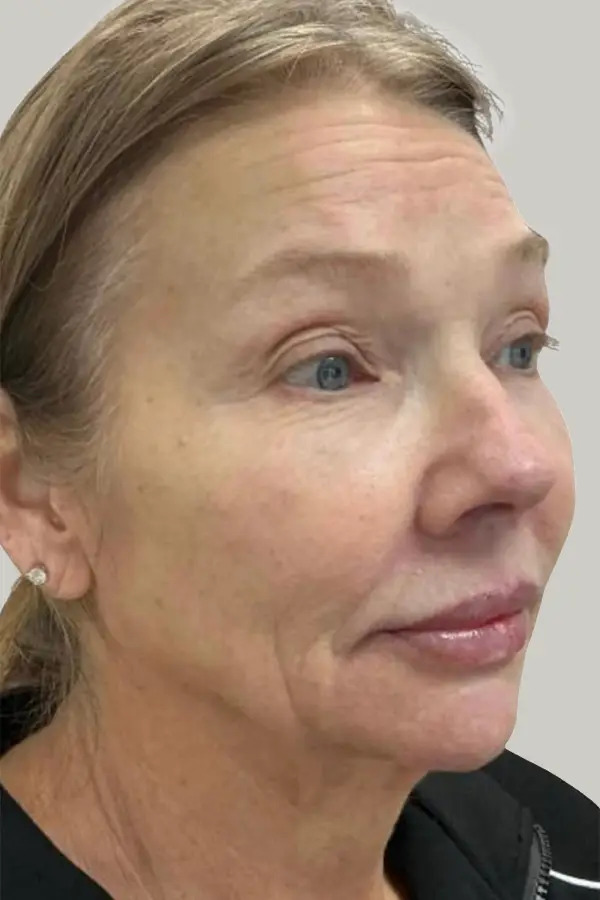
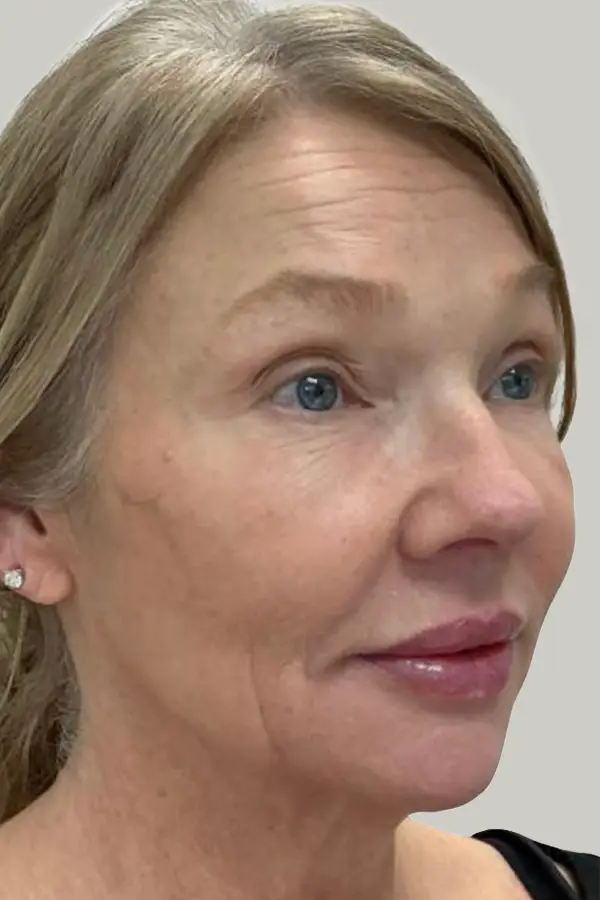
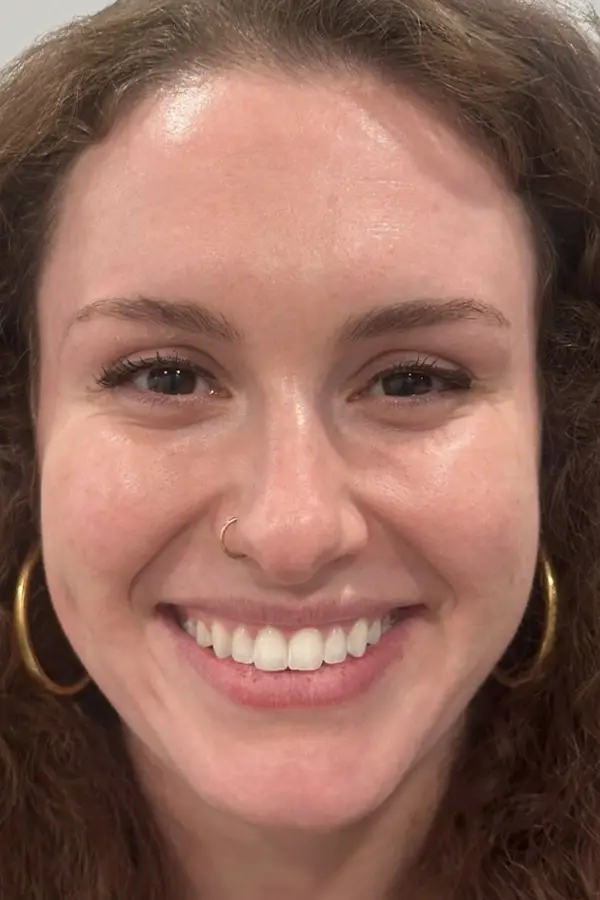
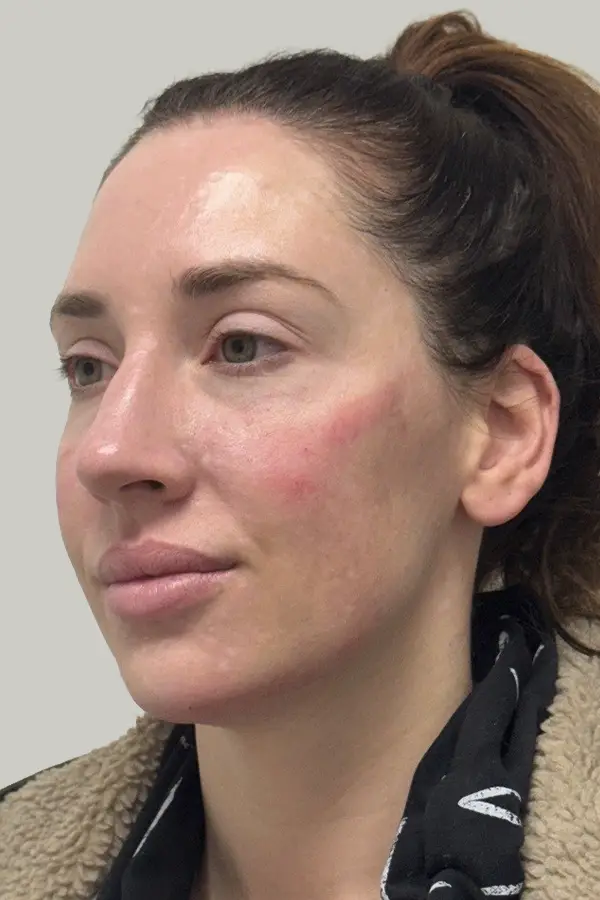
Commissures neutral to slightly upturned; marionette lines absent at rest.
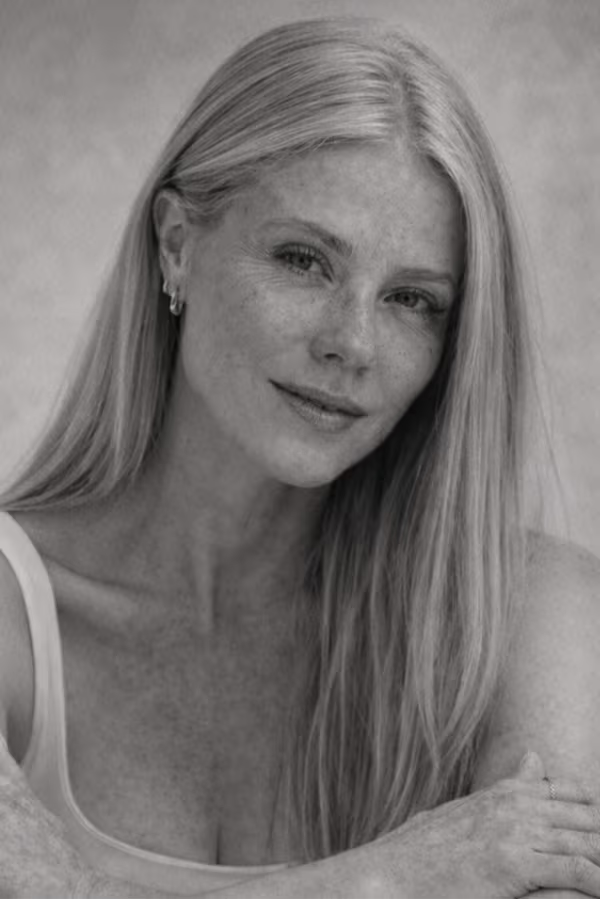
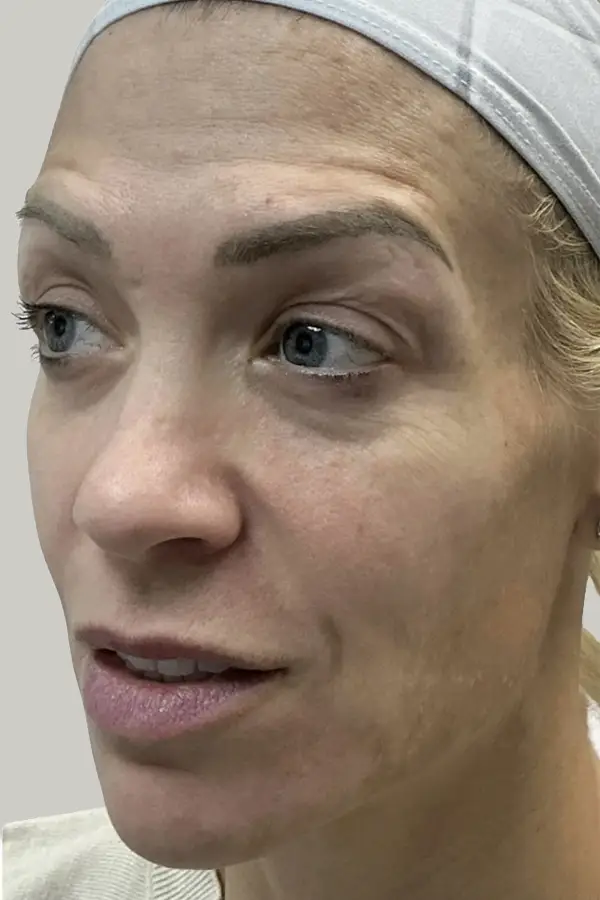
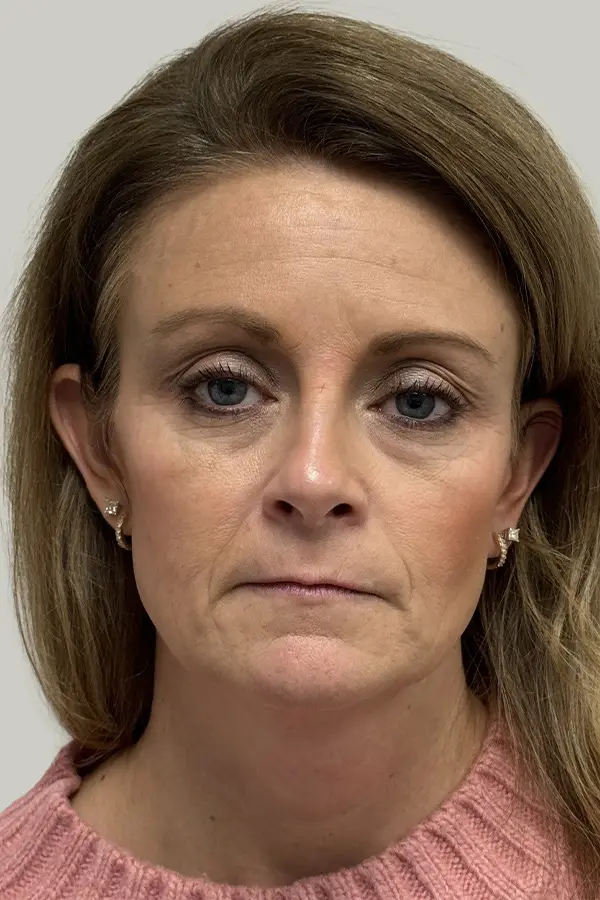
Early downturning in patients with strong DAO; faint marionette lines develop.
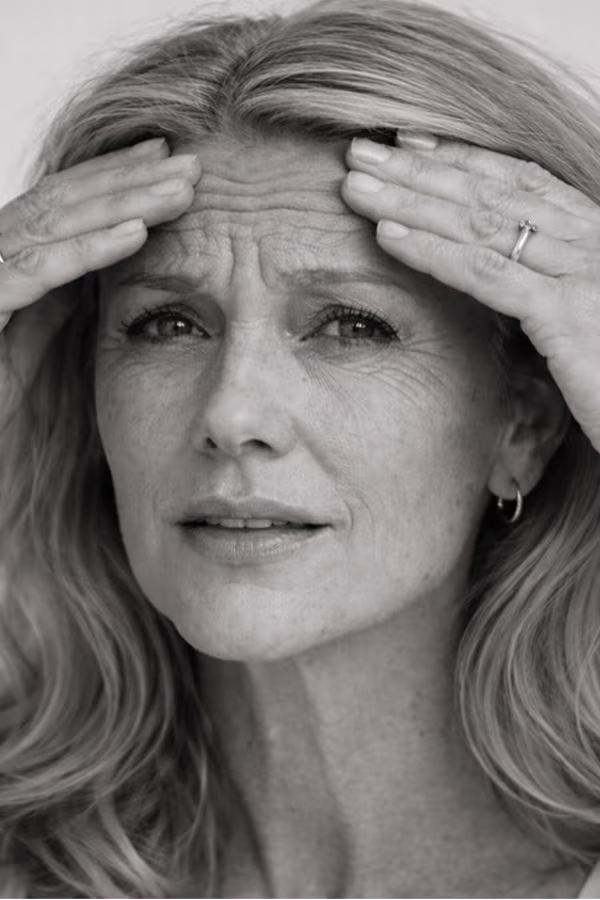
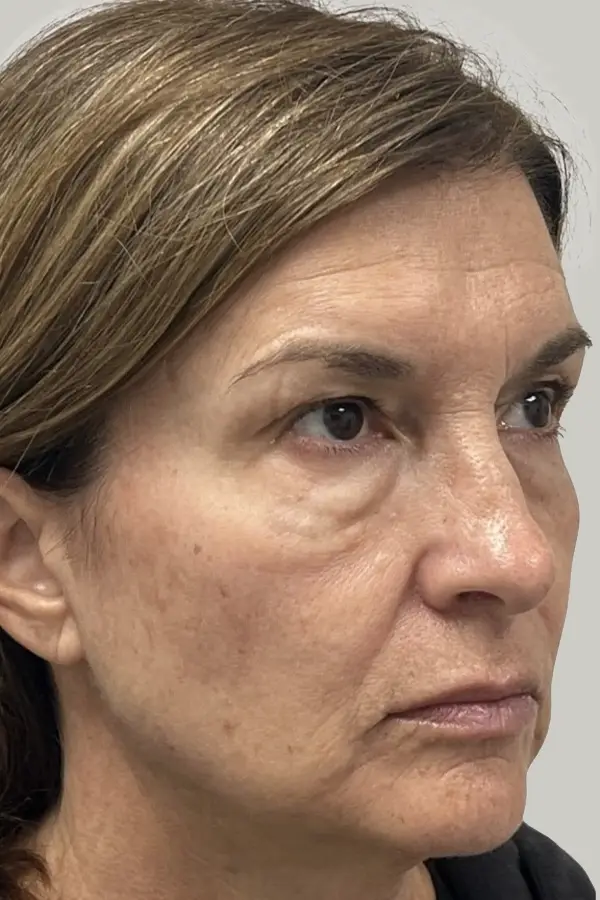
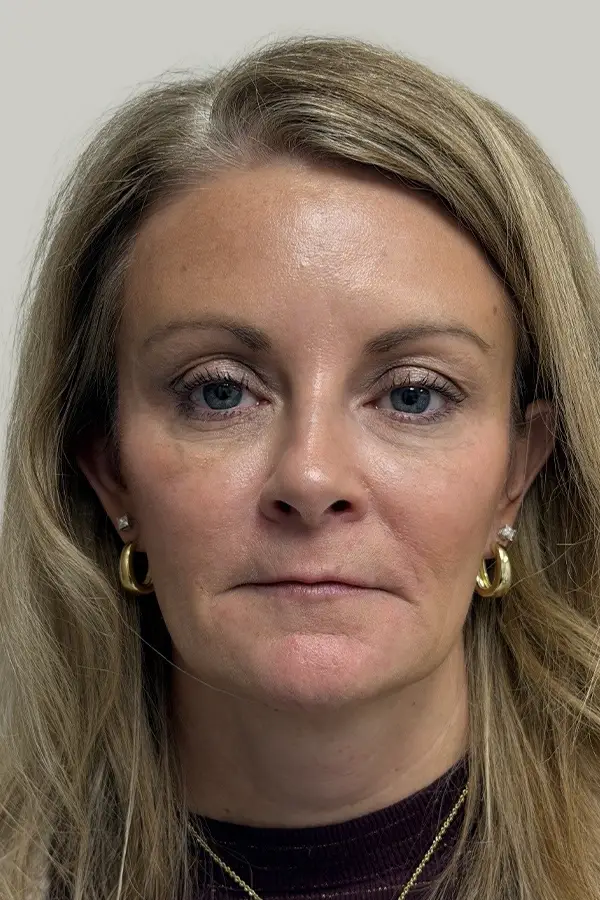
Downturned corners and marionette lines established as resting features.
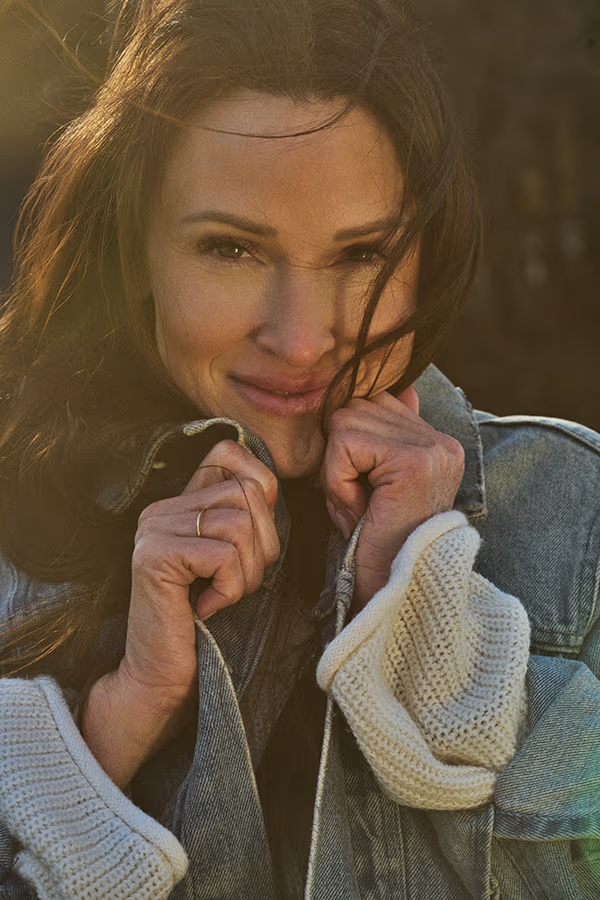
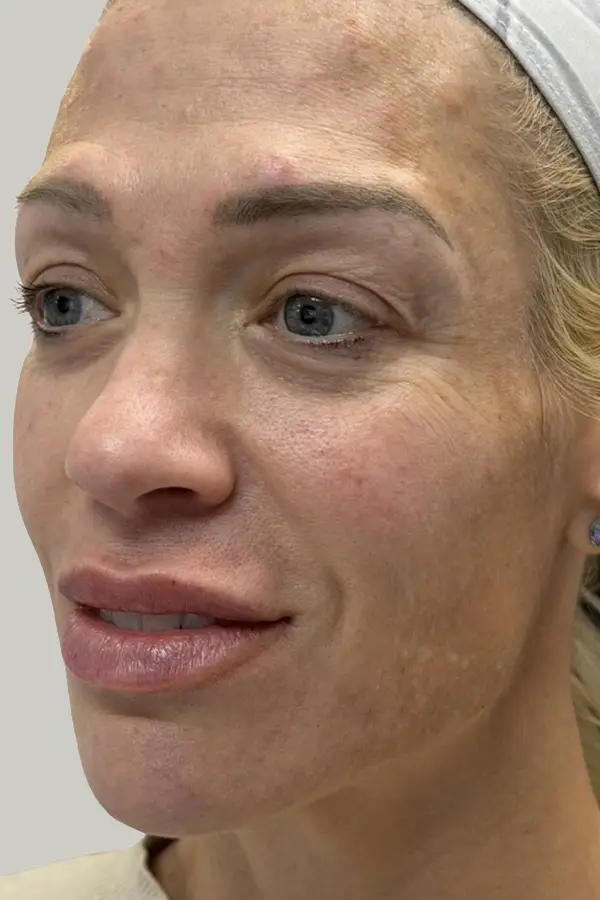
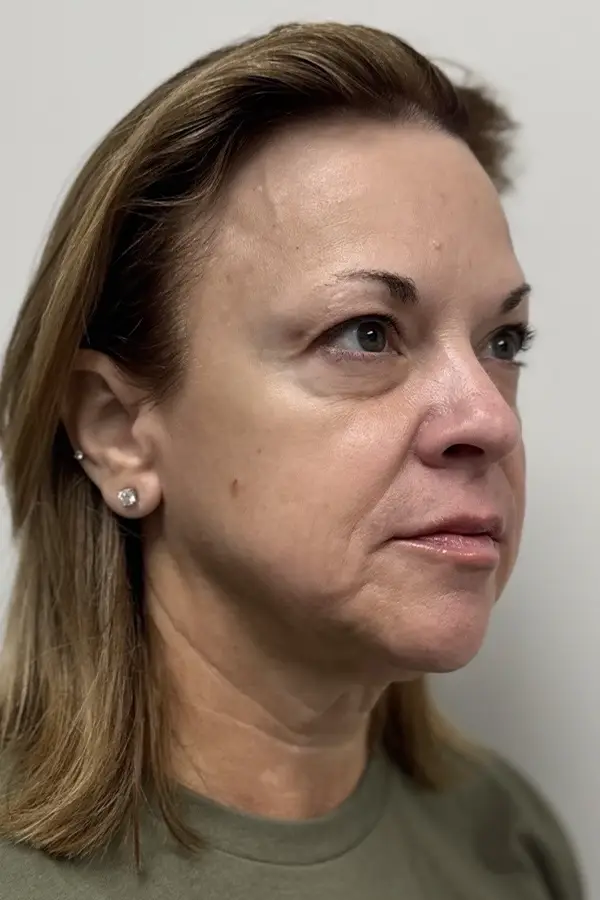
Deep downturning and marionette lines with lower face volume loss compounding severity.
Mouth corners are neutral or slightly upturned. The DAO is active but the surrounding tissue provides sufficient support to maintain a natural, non-downturned position.
Early downturning may begin in patients with strong DAO activity. Subtle marionette lines form from volume loss in the lower face.
Downturned corners become a resting feature. Marionette lines deepen as lower face volume declines and the DAO pulls more unopposed.
Established downturned commissures with deep marionette lines. Lower face volume loss and bone resorption in the mandible compound the appearance.
Restore a neutral mouth position that doesn't read as sad or stern at rest
Soften the marionette lines that compound the heavy lower face appearance
Change the default expression of the lower face to something that matches how the patient actually feels
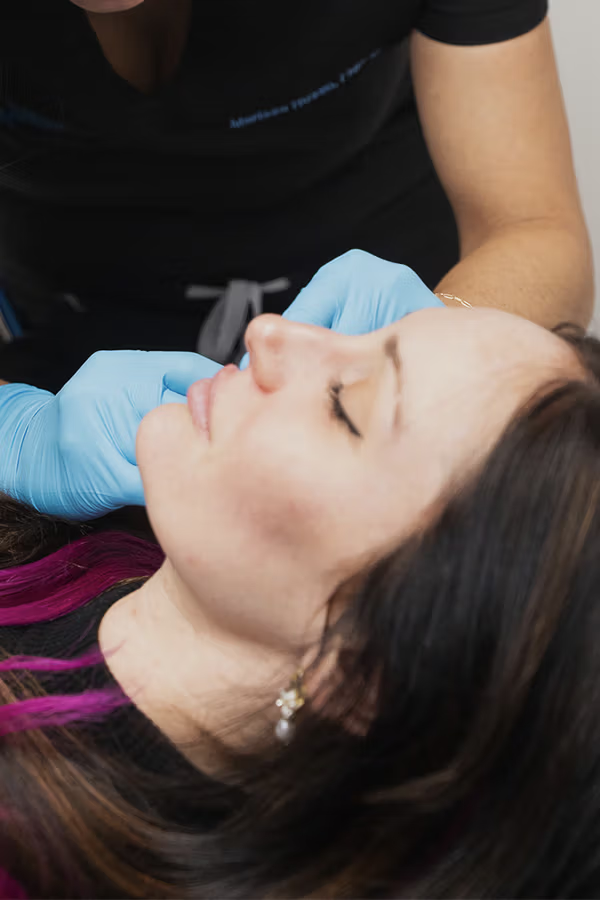
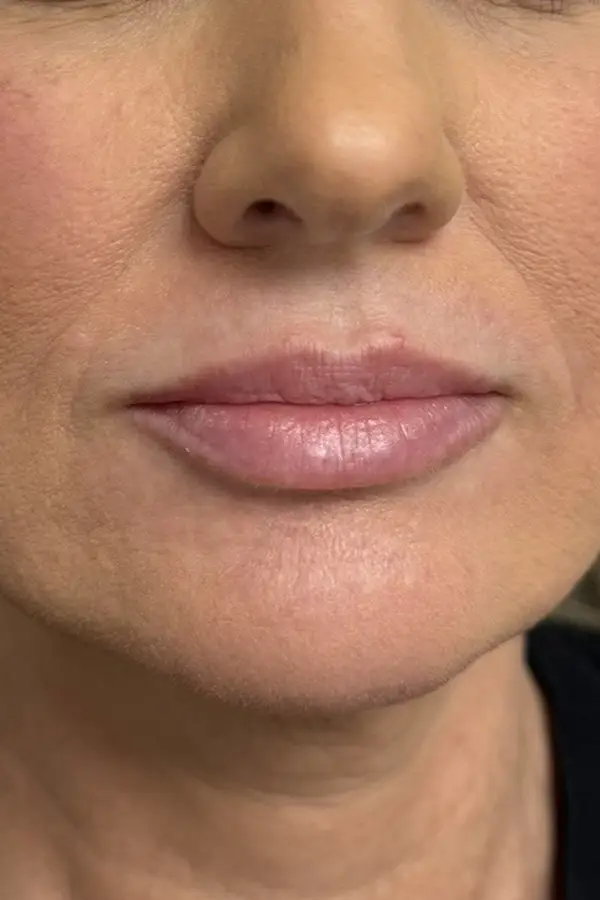
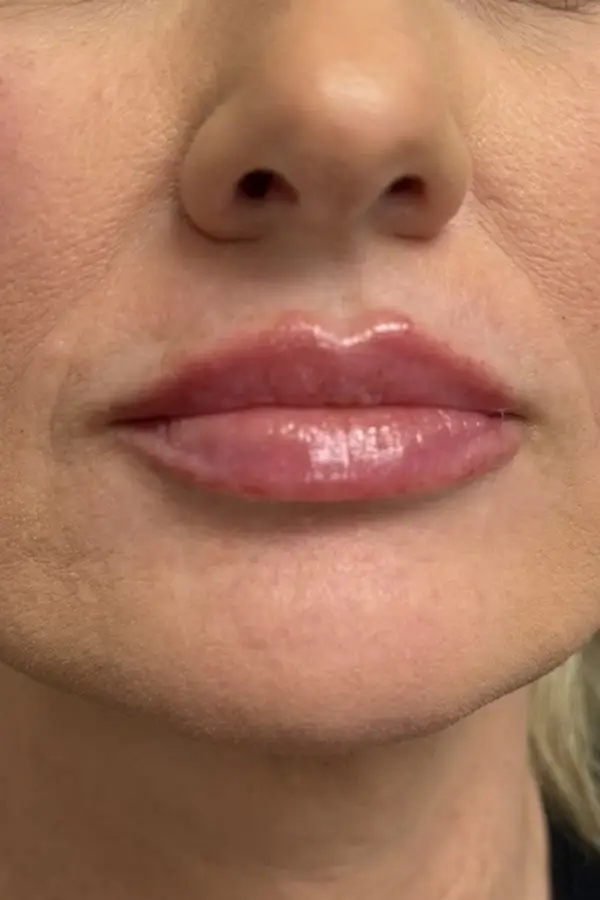
Treatment at Cami Aesthetics addresses both components: the DAO muscle with a small wrinkle relaxer dose to reduce the downward pull, and the tissue below the commissure with filler to restore the structural support that used to counteract it.
The DAO relaxer dose is intentionally small — too much creates an unnatural smile. Filler in the marionette lines is placed conservatively to soften the crease without overfilling the lower face. The combination of both approaches typically produces the most natural and complete result.











I'm blown away with my Dysport experience with Madison. She is very knowledgeable, professional and meticulous.
Meredith is the absolutely best!! She is so sweet and her work is perfection! Always an amazing experience at Cami Aesthetics! Highly recommend.
.png)
I have been coming to Cami Aesthetics for 5 to 6 years now and their service is bar none! I’m always exceptionally pleased with my results, as I rotate Botox and Xenomin. The staff are very friendly and I always make me feel right at home!
I can’t say enough about the entire team at CAMI and overall experience as a new patient. My concerns were addressed and at no point did I feel rushed or pressured to make a decision. Katie and the entire staff put me at ease. My results are amazing and have made me feel so much more confident. Thank you CAMI! Highly recommend!
.png)
Ashley at Cami Aesthetics has been amazing. She made me feel comfortable before, during and after my treatments and helped me feel more confident in my appearance
I saw Madison for my Botox appointment and she was the best! She listened to my concerns and I’m very pleased with the results. She also recommended some great skincare products! Can’t recommend this office enough!
I had a wonderful experience with Madison Mikolajczyk,. From the very beginning, she explained everything about my face in detail and with such professionalism that I immediately felt comfortable. I truly appreciated her honesty in telling me exactly what I needed and what would work best for my features. She performed my filler injections using the cannula method and normal injections which left me with beautiful, natural-looking results—and no bruising at all. No one can do that using that method with no bruising. The entire process was completely painless, as she took her time and worked so gently.I couldn’t be happier with the outcome. My results are subtle, natural, and exactly what I hoped for. I’m truly in love with the way my face looks now and would highly recommend her to anyone seeking safe, professional, and natural enhancements. I did Sculptra, Botox and Radiesse filler looking forward for more.
I’ve had nothing but a great experience at Cami Aesthetics! Ashley is amazing at what she does, as someone who has never gotten any kind of injections before, she was very knowledgeable explaining everything to you beforehand, and will make you feel as comfortable and confident as possible!
I have been very happy with my services over the past few months. Meredith is so sweet and always makes my time there very comfortable. She is patient with me and never pushes me into anything I’m not comfortable with regarding my skin.
I love visiting the Cami Aesthetics location in Huntersville! They treat everyone special and I left feeling refreshed and uplifted. It was my first time meeting Katie, and she was spectacular! She spent time addressing my needs and concerns and I will definitely request an appointment with Katie again. Thank you Cami Aesthetics!!
Very personable fun atmosphere and relaxing. Normally I go to California for my facials but I feel very good going to CAMI in Huntersville for my beauty needs.
Easy to schedule consult and treatments! Wonderful welcoming staff at CAMI who make you feel relaxed and excited to be there. Will continue to choose CAMI for all cosmetic needs and recommend to everyone!
This is a great place to come for any facial treatments, fillers, etc. The staff is excellent and I felt totally pampered.
The team is awesome. The staff takes great care of me. I would highly recommend CAMI.
The team was amazing. This was my 1st time getting Botox. They were very thorough and informative. They made the experience easy.
Their team is highly skilled and very good at what they do. I have never had any type of facial treatments before and decided it was time for a little pick-me-up. They took the time to listen to my concerns and recommended the procedure that was best suited for the outcome I was wanting.
Ashley is fantastic! Professional, friendly, and extremely knowledgeable. She’s my go-to for all my skincare maintenance needs. I always leave feeling confident and refreshed!
.png)
I was honestly skeptical about trying CAMI since I hadn’t had the best experiences with Botox and other treatments elsewhere. But choosing CAMI turned out to be one of the best decisions I’ve made. Madison, in particular, is the best nurse and injector I’ve ever worked with—she’s honest, genuinely cares about your results, and makes you feel like her top priority. While the treatments are an investment, as we age a little extra care and attention truly go a long way.
I Love Cami Aesthetics, and all there staff! Katie Wilson is the absolute Beauty Making Queen!!! 👑 She is very particular when she was doing what I asked of and the results are perfection. I have recommended Cami Aesthetics to multiple people and they are just as please. Thank you Cami Aesthetics
I’m so glad I gave this med spa another chance. Everything feels completely different now in the best way. I had a hydrafacial and hydr with Meredith and noticed an immediate improvement in my skin. I went back and purchased a microneedling package, and the results have been good so far. Meredith truly made my experience there so much better. She made me feel comfortable, welcomed, and kept me laughing the entire time. She is also very honest, which I really appreciate. I’ve finally found my person, and I won’t let anyone else touch my face. Highly recommend!