Click an area to explore what changes there.
The face map lets you explore anatomy areas visually. Click any dot to see the common concerns and treatments relevant to that area — with clinical context on what's actually happening and why.
Buttocks
Buttock concerns at Cami Aesthetics include volume loss, flat projection, asymmetry, and skin laxity. The Liquid BBL and skin tightening treatments address these non-surgically.
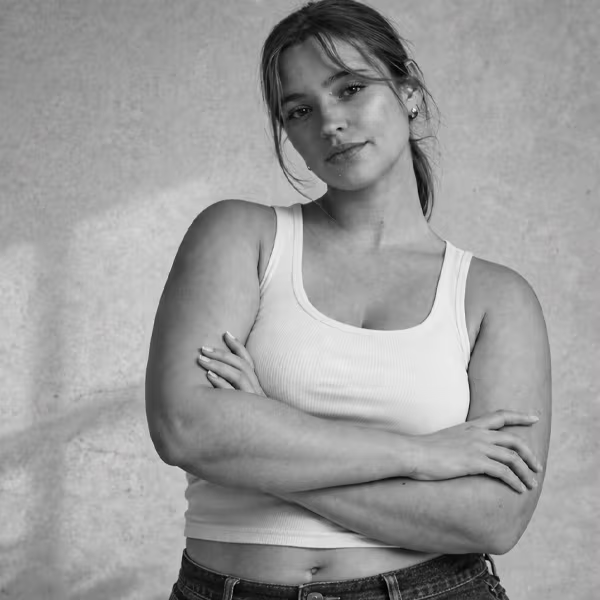





Décolletage
The chest and upper décolletage are among the most UV-exposed areas on the body — and among the most undertreated.

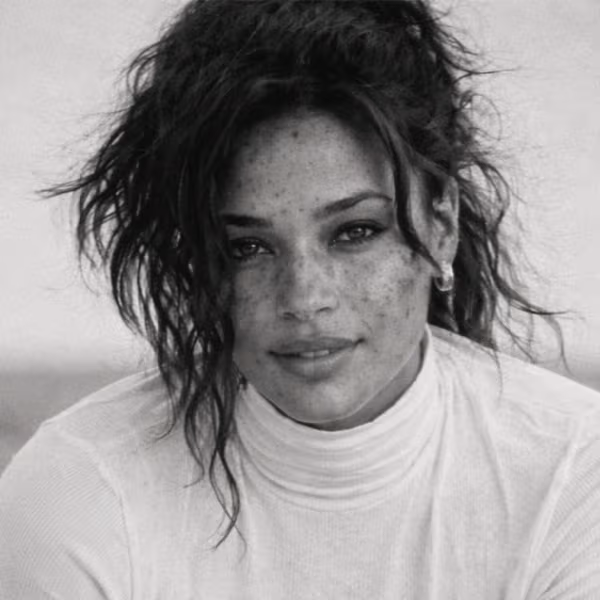






Body
Body concerns at Cami Aesthetics include skin laxity, texture, and localized fat. Non-surgical treatments address what diet and exercise don't always resolve.
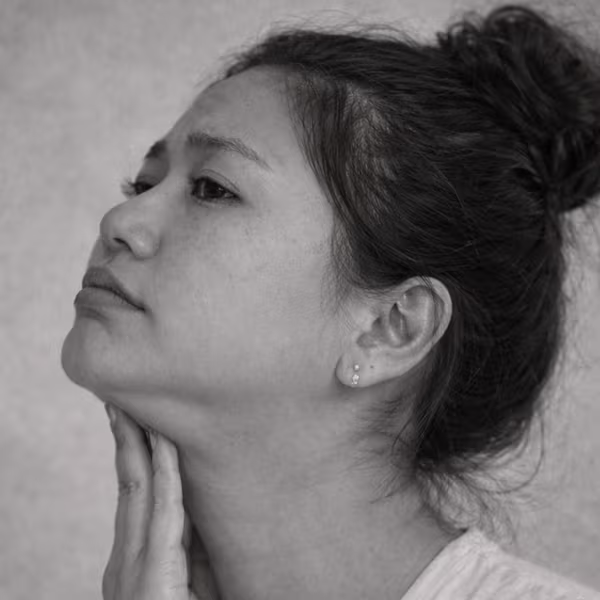



Hands
The hands reveal age faster than almost any other area. Volume loss, skin laxity, and prominent tendons and veins are all addressable.
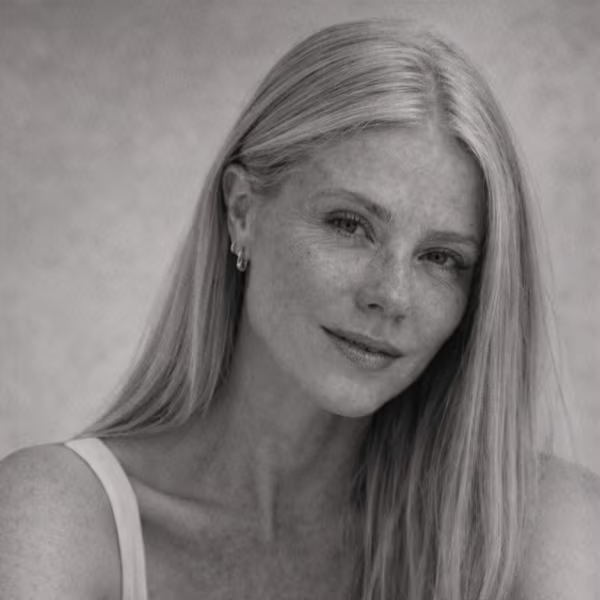


Earlobe
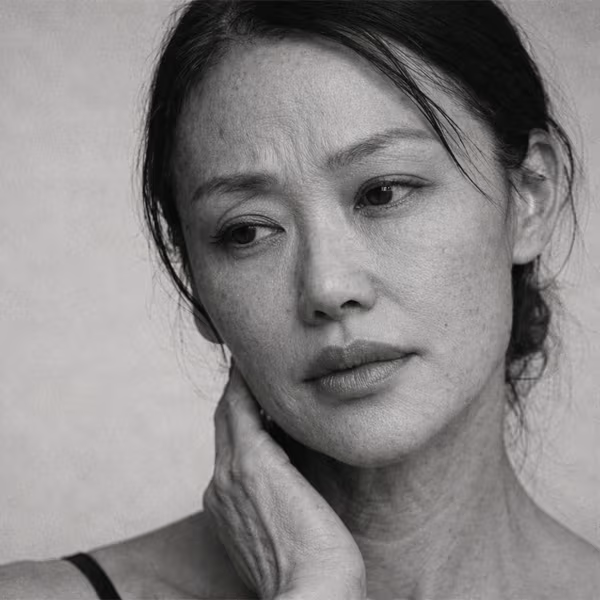
Earlobes lose volume and elongate with age, particularly from decades of earring wear. Filler restores shape and supports earring placement.
Masseters
Masseter hypertrophy from clenching or genetics creates a wide, square jaw. Wrinkle relaxers gradually reduce muscle bulk and slim the lower face silhouette.



Frown Lines
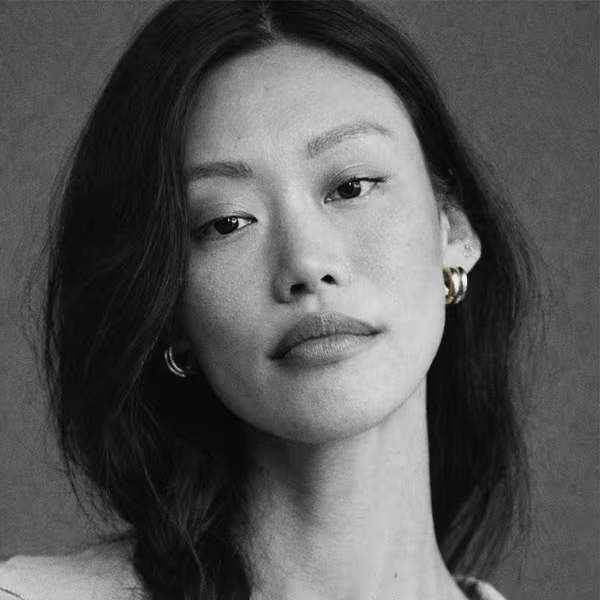
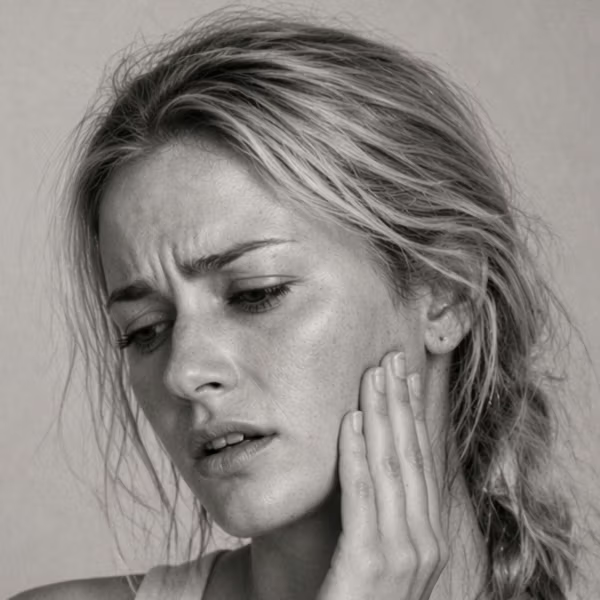
The 11s between the brows form from corrugator and procerus activity. Consistent wrinkle relaxer treatment softens them and prevents deeper etching.
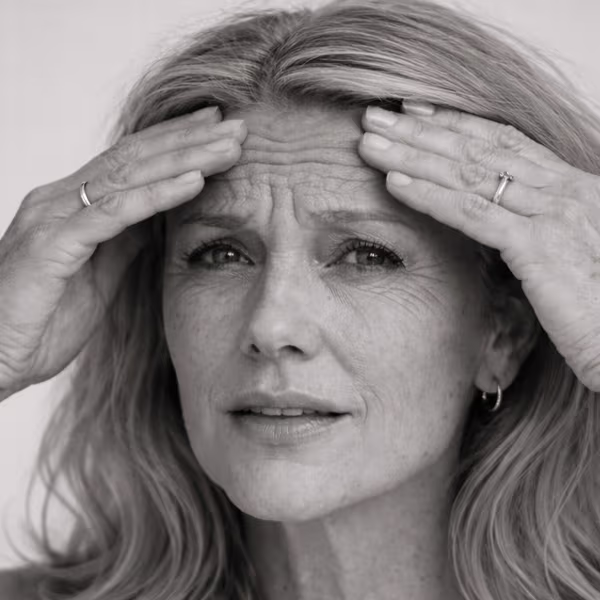
Nasal Sidewalls
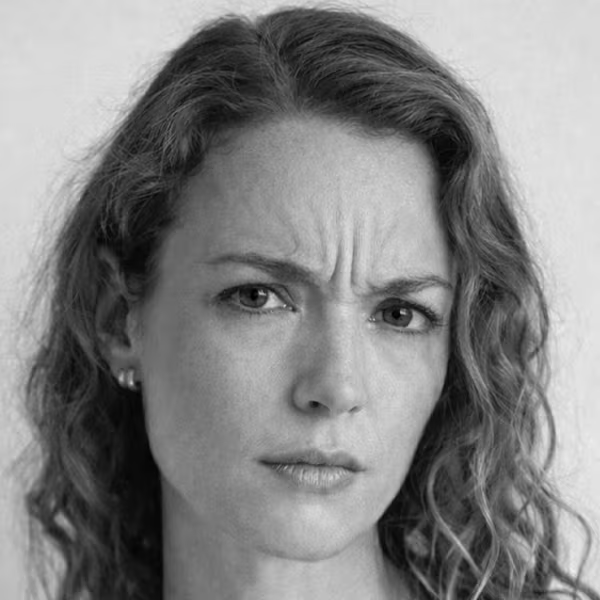
The nasal sidewalls connect the midface to the central face. Volume changes here directly influence nasolabial fold depth and midface appearance.

Lips
The lips lose volume, definition, and hydration with age. Natural-looking lip treatment is about restoration and proportion — not obvious augmentation.





Corners of the Mouth
Downturned mouth corners create a persistently sad or stern appearance. Effective treatment addresses both the DAO muscle pulling downward and the volume loss that removes upward support.
Chin
The chin anchors the lower face profile. Small improvements in projection create significant changes in overall lower face balance and the jawline-to-neck transition.

Smile Lines
Smile lines deepen as midface volume descends. Treating them well means understanding whether the fold or the cheek needs to be addressed first.

Jawline
The jawline defines lower face structure. Jowling, bone resorption, and skin laxity all contribute to its decline — restoration is one of the most impactful lower face interventions.
Temples
The temples are the upper frame of the face. Volume loss here creates a hollowed, skeletonized quality that is one of the most commonly overlooked signs of aging.

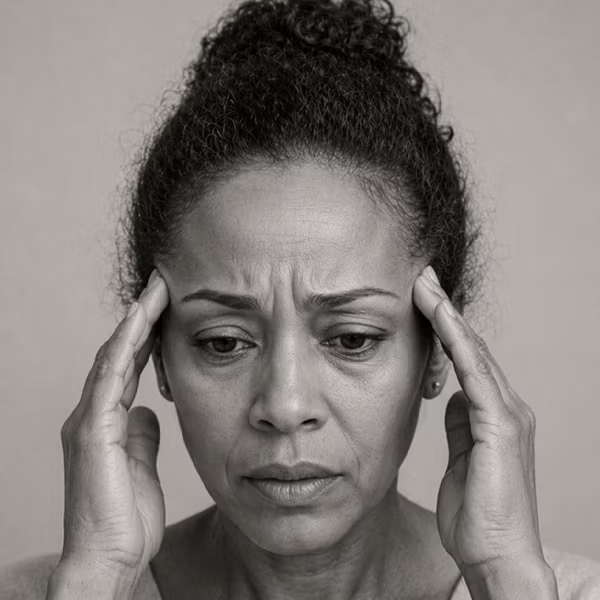
Crow's Feet
Crow's feet form from repeated orbicularis contraction against aging skin at the lateral eye. One of the most common and most treatable expression line areas.
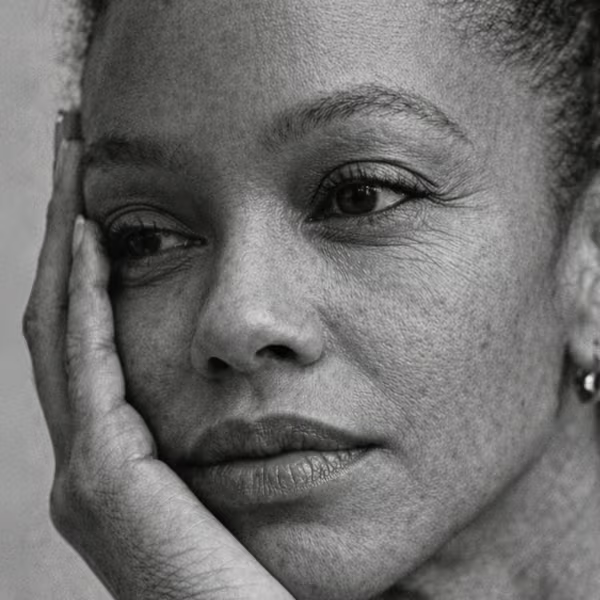
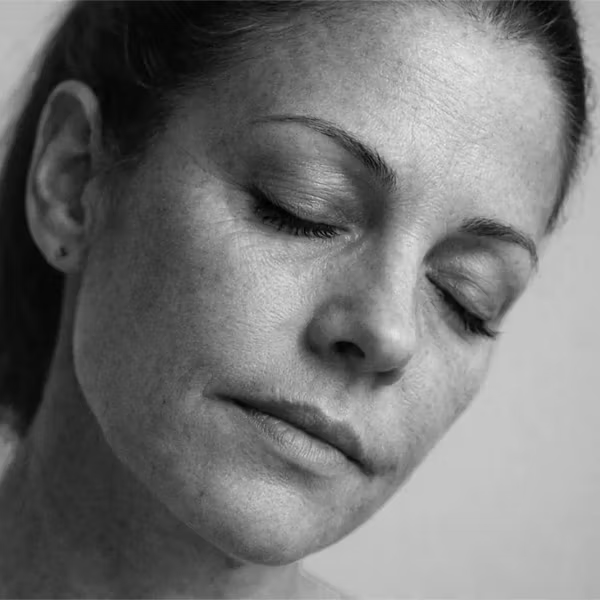
Under Eyes
The under-eye area is where fatigue shows most visibly. Hollowing, bags, and shadow each require different approaches — precise assessment before treatment is essential.

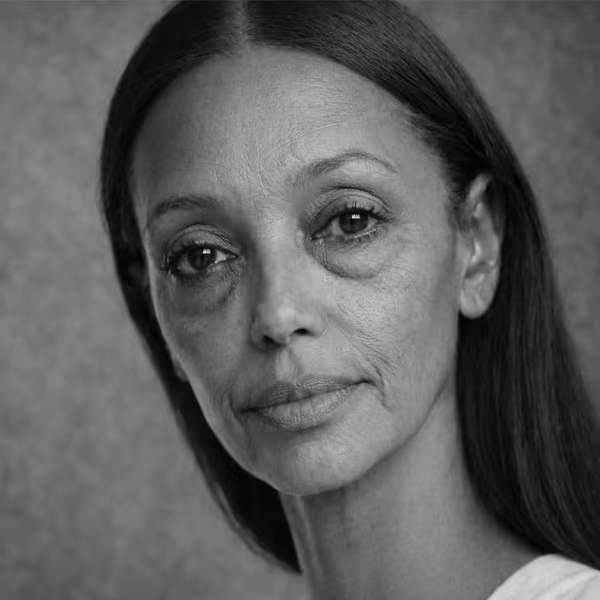
Brows
The brows define the upper face. Position, muscle balance, and expression lines all require careful assessment before any treatment.
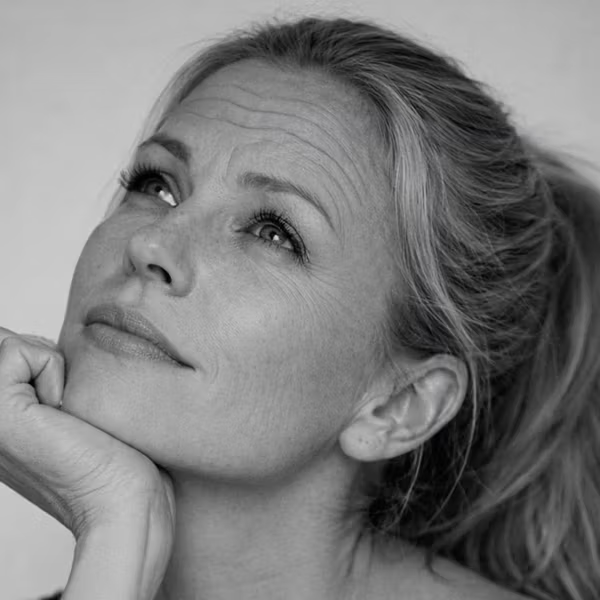
Lip Lines
Lip lines form from perioral muscle activity and collagen loss. They require precise, light treatment — overtreating this area is one of the most noticeable aesthetic mistakes.
Cheeks
The cheeks anchor the mid-face. When they change, everything around them does too.
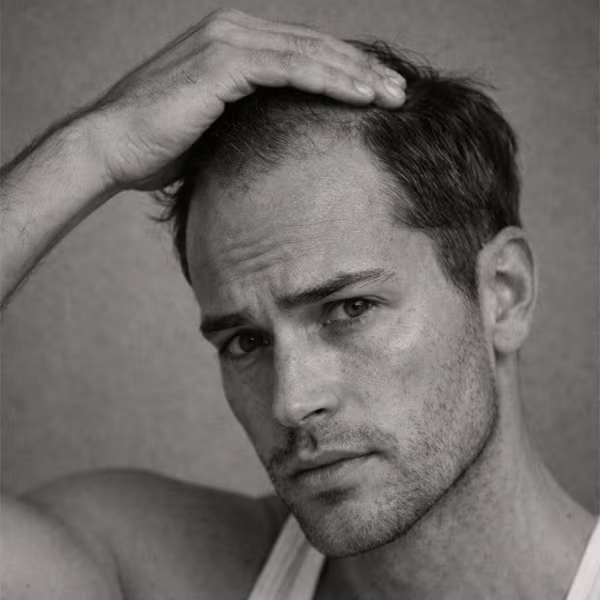
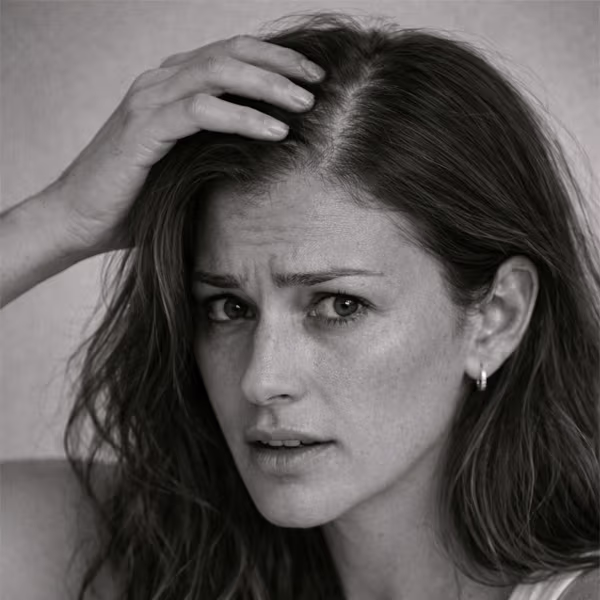
Hairline & Scalp
The hairline frames the face. Changes to hair density, distribution, and hairline position affect overall appearance and youthfulness in ways patients feel strongly about addressing.



Neck
The neck ages faster than most patients expect and receives less consistent treatment. Skin laxity, platysmal banding, and submental fat all need to be assessed together.
Full Face
The face ages as an integrated system. Full-face treatment planning produces more balanced, natural results than addressing individual areas in isolation.
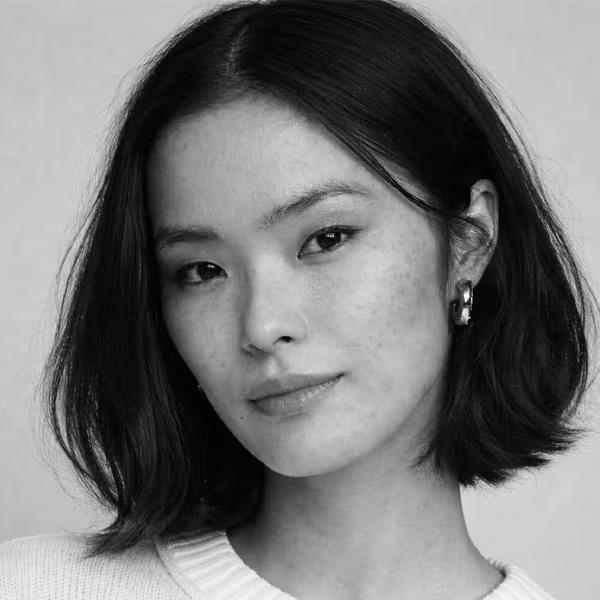
Forehead
The forehead is where expression lines form and UV damage accumulates. Effective treatment addresses both the muscle and the skin.
.webp)
Buttocks
Buttock treatments at Cami Aesthetics address volume loss, projection, and skin laxity using non-surgical injectable and energy-based approaches.
Décolletage
The décolletage is one of the most UV-exposed areas on the body. Skin laxity, texture changes, and pigmentation accumulate here faster than most patients expect.
Body
Body treatments at Cami Aesthetics address skin quality, texture, and localized concerns using non-surgical approaches.
Hands
The hands reveal age through volume loss, skin thinning, and sun damage. Treatment restores a fuller, smoother appearance.
Earlobe
The earlobes can lose volume and elongate over time, particularly from earring wear. Filler restores shape and supports earring placement.
Masseters
Frown Lines
The “11s” between the brows are one of the most common expression-related areas and can make the face appear tense, tired, or stressed.
Nasal Sidewalls
The sidewalls of the nose influence how the central face transitions into the cheeks and under-eye area and can affect nearby fold patterns.
Lips
The lips are central to facial balance, softness, and expression. Over time they may lose shape, definition, and hydration.
Corners of the Mouth
This area affects expression and can contribute to a downturned or unhappy appearance when it becomes heavy or pulls downward.
Chin
The chin influences facial proportion, profile balance, and lower-face shape. Changes here can affect harmony and projection.
Smile Lines
Smile lines run from the sides of the nose toward the corners of the mouth and often deepen with volume loss and repeated expression.
Jawline
The jawline helps define the lower face. Changes here can soften contour and reduce the sense of structure and definition.
Temples
The temples contribute to upper-face balance and framing. Volume loss here can create a hollowed look and affect facial harmony.
Crow's Feet
These lines at the outer corners of the eyes form with repeated expression and can deepen as skin loses elasticity.
Under Eyes
The under-eye area is delicate and often one of the first places where hollowing, puffiness, and fatigue become visible.
Brows
The brow area shapes expression and facial openness. Changes here can contribute to heaviness, asymmetry, or a tired appearance.
Lip Lines
Fine vertical lines around the mouth can develop over time from repeated movement, collagen loss, and changes in skin quality.
Cheeks
The cheeks provide midface support, shape, and youthful volume. Changes here can affect contour, lift, and the appearance of nearby features.
Hairline & Scalp
The hairline and scalp frame the face and can be part of a broader aesthetic conversation around density, fullness, and visible thinning.
Neck
The neck often shows early signs of aging through creasing, laxity, thinning skin, and texture changes that can affect the transition between the face and body.
Full Face
A full-face view that considers how multiple areas work together structurally and aesthetically, rather than treating one feature in isolation.
Forehead
The forehead is a highly expressive area where movement, skin quality, and volume changes can influence smoothness and overall upper-face appearance.

