Female hair loss is almost always multi-factorial — driven by hormones, nutrition, thyroid function, and genetics in combination. Identifying the specific drivers is what makes treatment effective.
get startedFemale hair loss encompasses a range of presentations — from diffuse overall thinning to patterned crown loss to acute shedding episodes — and is driven by a combination of hormonal, nutritional, and genetic factors that typically overlap rather than act independently.
Unlike male pattern hair loss, which follows a predictable Norwood pattern, female hair loss is often diffuse and less visually obvious in early stages — which is part of why it goes unaddressed for so long. By the time most women seek treatment, the process has been active for months or years.
Women seek treatment for hair loss when the change becomes impossible to conceal or ignore — a widening part, a noticeably thinner ponytail, visible scalp. Many come in after years of being told that thinning is a normal part of aging and that nothing can be done. For most patients, that framing is incomplete. There is almost always at least one contributing factor that is addressable, and identifying it changes the outcome.
Female hair loss is almost never single-factor. The most common contributing drivers are:
Hormonal fluctuation: Estrogen supports hair follicle health and extends the anagen (growth) phase. As estrogen declines — in perimenopause, postmenopause, or postpartum — the hair cycle shortens and shedding accelerates. Thyroid dysfunction, whether hypo or hyperthyroid, is another major hormonal driver that is frequently missed by standard lab panels.
Nutritional deficiencies: Ferritin (stored iron) is the most clinically significant nutritional driver of female hair loss. Low ferritin is extremely common and produces a pattern of diffuse shedding that mimics hormonal loss. Zinc, vitamin D, and biotin deficiencies all contribute independently.
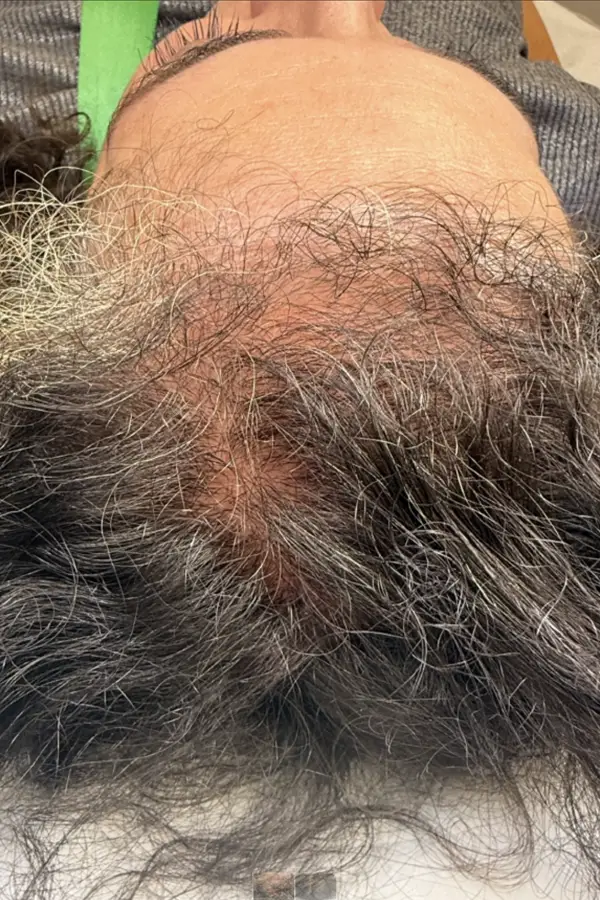
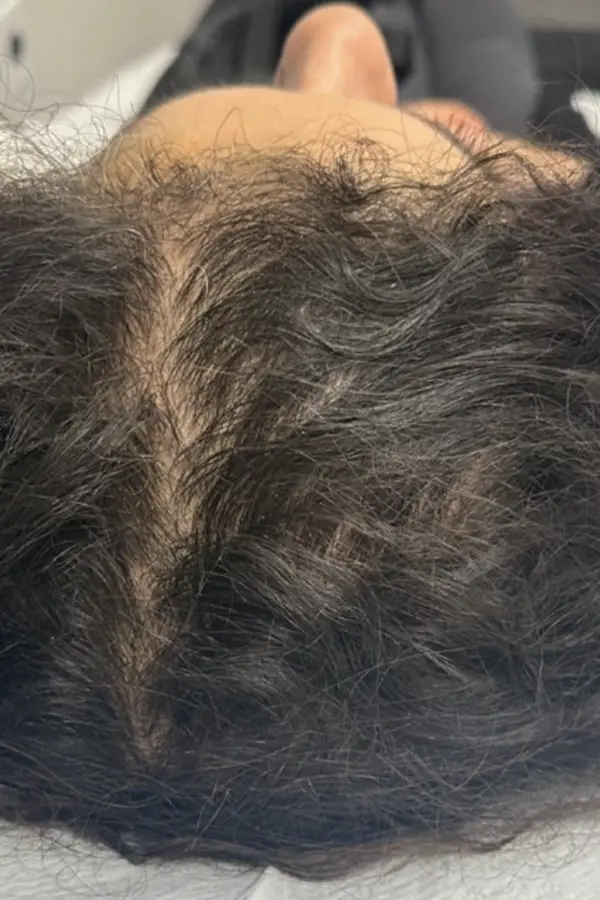
Androgenetic alopecia: Female pattern hair loss follows a Ludwig pattern — diffuse thinning at the crown and part line rather than the receding hairline pattern of male loss. It is hormonally driven by DHT sensitivity, often amplified by the decline of estrogen that previously counterbalanced it.
Telogen effluvium: A temporary but significant increase in shedding triggered by physical stress — surgery, illness, rapid weight loss, or childbirth. Often resolves within 6–9 months but can become chronic if the trigger persists.
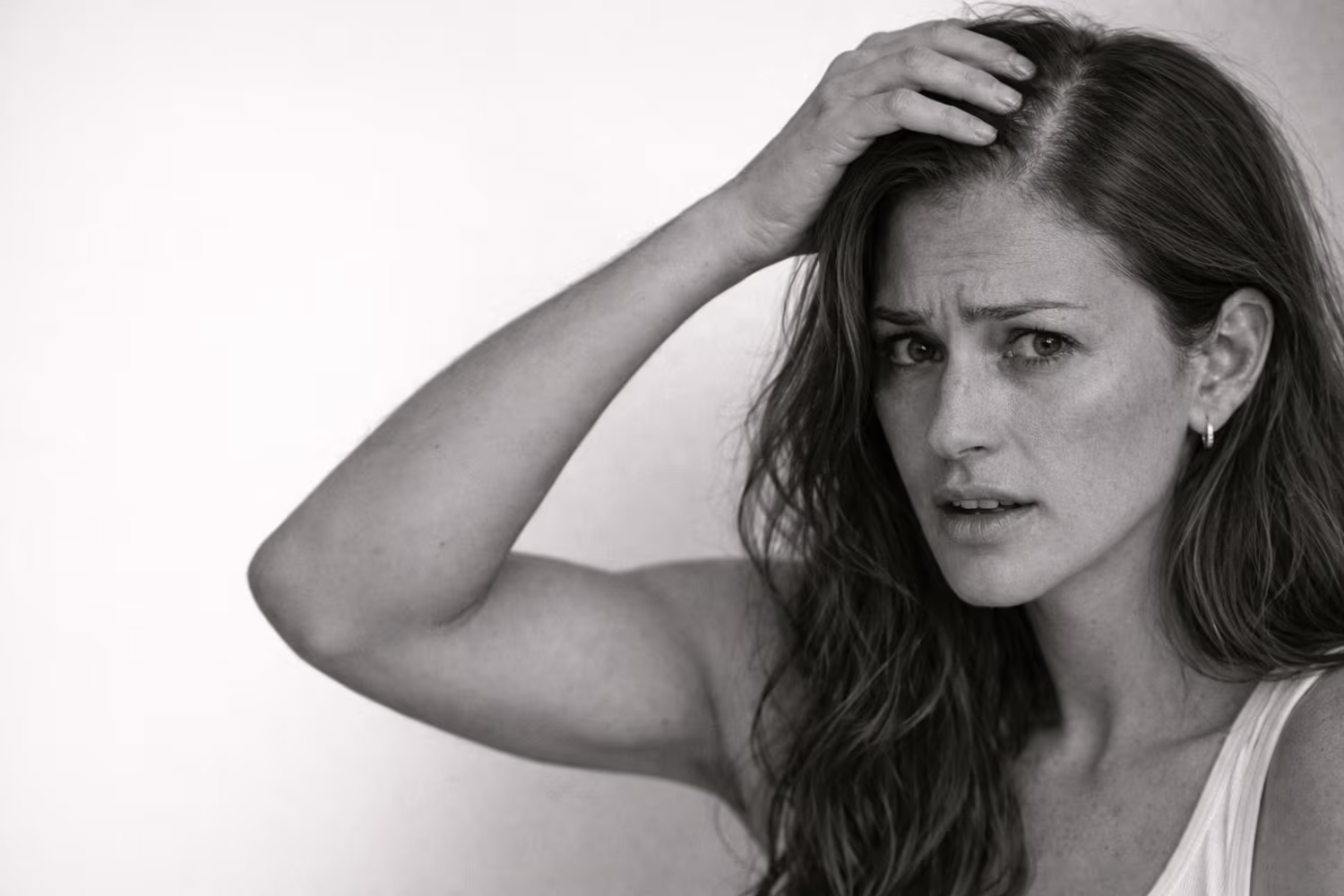
Women with hair loss typically notice:
Female hair loss patterns shift with the hormonal transitions of midlife in ways that are predictable but often poorly anticipated. In the perimenopausal period, declining estrogen and progesterone remove the hormonal support that has counterbalanced DHT sensitivity throughout adulthood — producing an acceleration of shedding that many patients describe as sudden even though the underlying hormonal shift has been gradual.
Postmenopause, hair loss often stabilizes but at a reduced density compared to premenopausal baseline. Patients who address the hormonal and nutritional contributors during perimenopause maintain significantly better hair density than those who wait.
Female hair loss responds best to a layered approach that addresses multiple contributing factors simultaneously.
At CAMI, female hair loss begins with labs. Before recommending any intervention, we assess full hormonal status, thyroid function, ferritin, iron, zinc, and vitamin D — the most common correctable contributors to accelerated shedding. Treatment is built around what the labs show, not a generic hair loss protocol.
For perimenopausal and postmenopausal patients, hormonal optimization is frequently the highest-impact intervention — both for hair and for the broader wellness picture. Hair loss in this context is often a signal of a larger hormonal deficit that CAMI is positioned to address comprehensively.
Early intervention consistently produces better outcomes. The follicles are most responsive before significant miniaturization has occurred, and restoring a supportive internal environment is most effective when there is still active follicular activity to support.

Care guided by experience, precision, and a deep understanding of natural beauty.
get started