Black and white portrait representing rosacea and chronic facial redness concern at CAMIBlack and white portrait representing rosacea and chronic facial redness concern at CAMI

Rosacea: Managing the Redness That Doesn't Go Away on Its Own

Rosacea is chronic, but it's very manageable. The right combination of IPL, barrier-supportive skincare, and trigger awareness produces significant and lasting reduction in visible redness.

get started
Pigment & Redness

Rosacea doesn't go away. But it can look like it has.

What It Is

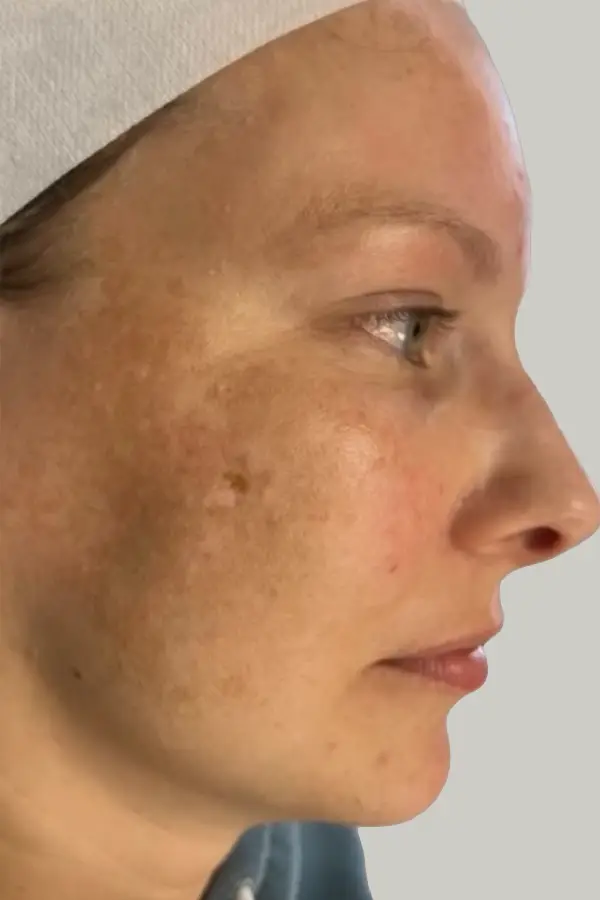
Rosacea is a chronic inflammatory skin condition characterized by persistent facial redness, visible blood vessels (telangiectasias), and in some subtypes, inflammatory papules and pustules. It's driven by vascular dysregulation, immune hypersensitivity, and barrier dysfunction — not by poor skincare habits or hygiene. It typically affects the central face (nose, cheeks, forehead, chin) and tends to progress without management.

Why Patients Seek Treatment

Patients come in about rosacea when the baseline redness has become a source of self-consciousness, or when flares have become more frequent and harder to control. Many have been managing with concealer for years before seeking treatment.

UNDERSTANDING THE SCIENCE

Rosacea is vascular reactivity that becomes structural — early treatment produces better long-term outcomes.

What Causes It
Common Signs
Why It Changes Over Time
How It's Commonly Addressed
01

What Causes It

Rosacea's cause is multifactorial and not fully understood, but the key drivers are:

Vascular dysregulation: Blood vessels in rosacea-prone skin are abnormally reactive — dilating easily and remaining dilated in response to triggers that wouldn't affect normal skin. Over time, repeatedly dilated vessels become permanently visible.

Barrier dysfunction: The skin barrier in rosacea-prone skin is compromised, allowing irritants and environmental factors to penetrate more easily and trigger inflammatory responses.

Immune hypersensitivity: Rosacea involves an overactive innate immune response that generates inflammation in response to triggers — UV, temperature changes, certain foods — that the skin of non-rosacea patients handles without reaction.

Genetic predisposition: Rosacea runs in families and is significantly more common in lighter-skinned populations, though it affects all skin tones.
02

Common Signs

Patients with rosacea typically describe:

  • Persistent central facial redness that doesn't resolve the way normal flushing does
  • Visible small blood vessels on the nose and cheeks
  • Skin that flushes easily and intensely with heat, alcohol, exercise, or stress
  • Stinging, burning, or sensitivity with skincare products that others use without issue
  • In some patients, inflammatory bumps or pustules resembling acne but without comedones
03

Why It Changes Over Time

Rosacea typically progresses without management. Early rosacea presents as flushing and transient redness. Over years, the vessels that repeatedly dilate become permanently enlarged and visible. Baseline redness increases. Skin sensitivity intensifies. In some patients, the inflammatory subtype develops after years of primarily vascular symptoms.

Patients who identify and manage triggers early, maintain a barrier-supportive skincare routine, and treat visible vessels with IPL maintain better skin quality over decades than those who don't address it until it's advanced.

04

How It's Commonly Addressed

Rosacea management combines in-office treatment for visible vascular changes with at-home barrier support and trigger management.

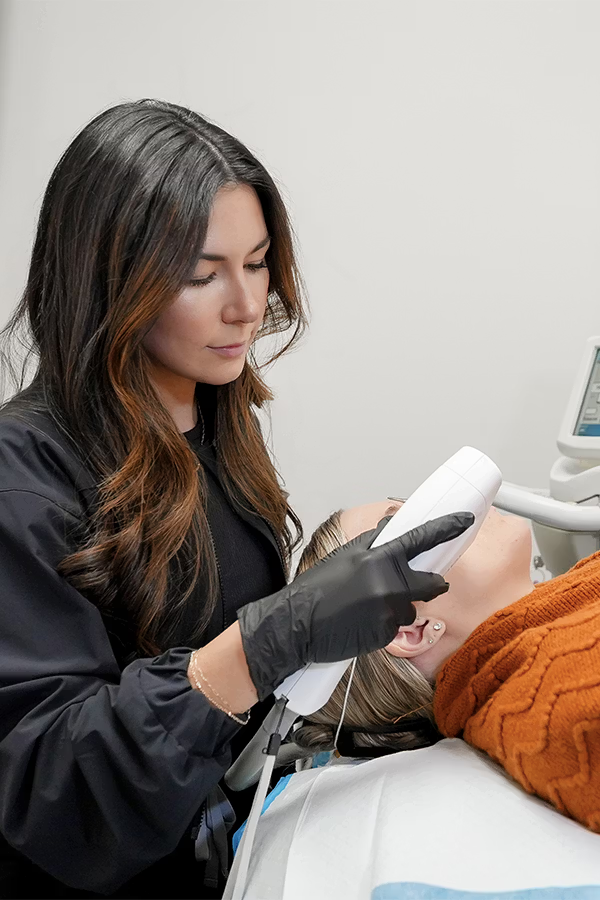
  • IPL: Targets the oxyhemoglobin in dilated vessels, causing them to collapse and reabsorb. Produces significant reduction in baseline redness and visible vessels. A series of 3–5 treatments is standard, followed by annual maintenance.
  • Barrier-supportive skincare: Gentle cleansers, ceramide-based moisturizers, and mineral SPF reduce the daily inflammation load that drives both redness and sensitivity.
  • Trigger management: Identifying and minimizing individual triggers reduces flare frequency and intensity, slowing the progression of vascular changes.
  • Prescription options: For the inflammatory subtype (papules and pustules), topical and oral medications are added to the protocol. These are coordinated with the patient's dermatologist or prescribing provider.

We treat the vessels. We also address the skin that keeps making new ones.

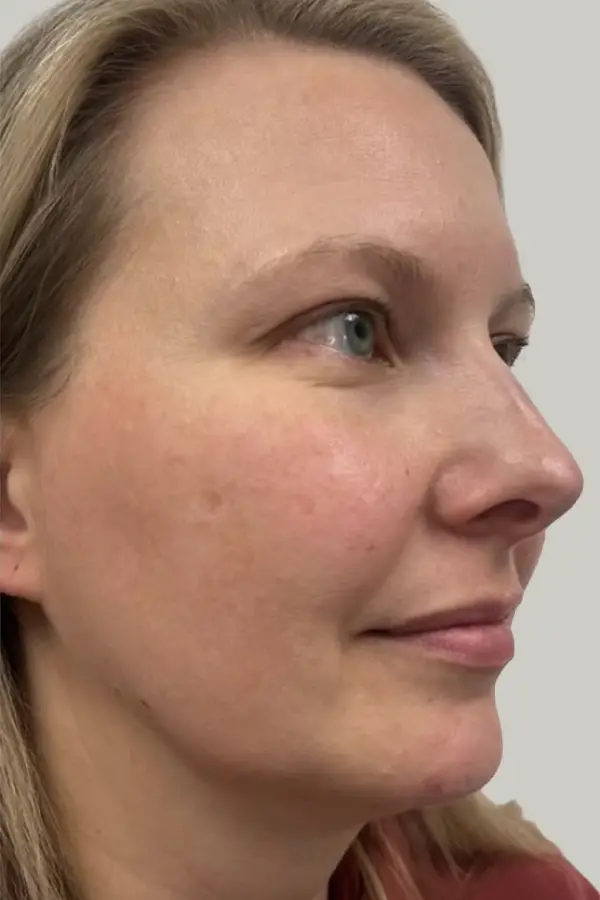
At CAMI, we approach rosacea as a chronic condition that requires ongoing management rather than a one-time fix. IPL produces significant improvement in baseline redness and visible vessels. Skincare and trigger management slow the rate at which new vascular changes develop. The combination produces a meaningful reduction in visible rosacea that most patients can maintain long-term with periodic maintenance treatment.

We're honest about what's achievable: significant improvement, not elimination. The goal is a complexion that reads as clear without constant effort to conceal it.

get started

Treatments for
This Concern

FAQ

What causes rosacea?
How is rosacea treated?
What causes sun spots and age spots?
What's the best approach to uneven skin tone?

Explore Related
concerns