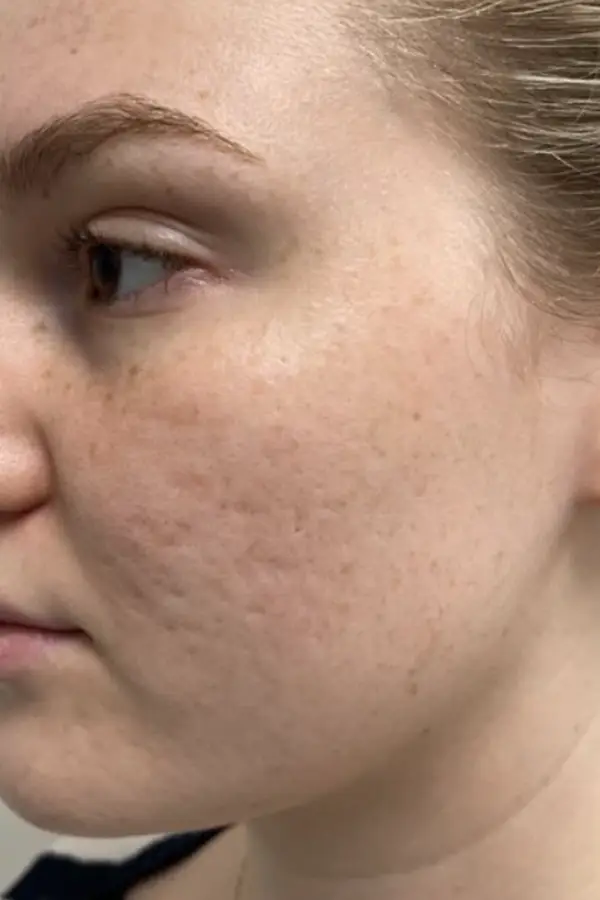
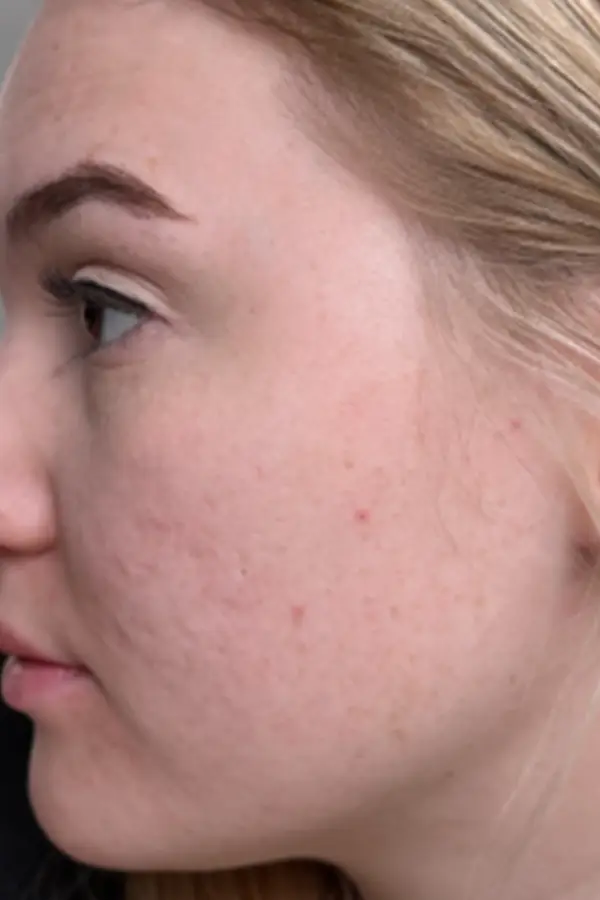
Acne scars are structural changes in the dermis that require targeted collagen remodeling to improve. Treatment is matched to scar type — rolling, boxcar, and icepick scars each respond to different approaches.
get startedAcne scars are permanent structural changes in the dermis resulting from the inflammatory damage of active acne. They're not surface marks — they're physical alterations to the architecture of the skin that require collagen remodeling to improve. They range from shallow textural irregularities to deep, pitted icepick scars, and their appearance can be significantly improved with the right combination of treatments, though complete elimination is rarely achievable without surgical intervention.
Most patients with significant acne scarring have had it for years before seeking treatment. Many assumed nothing could be done. Significant improvement is consistently achievable with the right protocol.
Acne scars form when the inflammation of active acne is severe enough to damage the dermis.
Collagen destruction: Inflammatory acne — particularly nodules and cysts — triggers an immune response that destroys collagen in the surrounding dermis. When the wound heals with a collagen deficit, an atrophic (depressed) scar forms.
Fibrous tethering: In rolling scars, fibrous bands form between the dermis and the tissue beneath, pulling the surface down in a wave-like pattern.
Excess collagen production: In some patients, particularly those with darker skin tones, the healing response produces excess collagen, resulting in raised (hypertrophic or keloid) scars rather than depressed ones.
Patients with acne scarring typically present with:
Acne scars don't improve significantly on their own over time. The structural deficit in the dermis is permanent without active intervention. However, surrounding skin quality changes — continued UV exposure, collagen loss with age — can make scars appear more prominent over the years as the surrounding tissue loses the structure that made scars less noticeable.
Treatment at any age produces meaningful improvement. Starting earlier means treating scars when surrounding skin quality is still strong, which generally produces better visual outcomes.
Effective acne scar treatment is protocol-matched to scar type.
At CAMI, acne scar treatment starts with a thorough assessment of scar type and distribution. Most patients have a combination of scar types that requires a layered protocol. We build the plan around what will produce the most significant improvement for the specific scar pattern present, sequence treatments to maximize collagen remodeling, and set realistic expectations for the timeline and degree of improvement.
We also have a direct conversation about active acne. If breakouts are still occurring, treating scars is premature — new lesions will create new injury that undermines the remodeling in progress.

Care guided by experience, precision, and a deep understanding of natural beauty.
get started