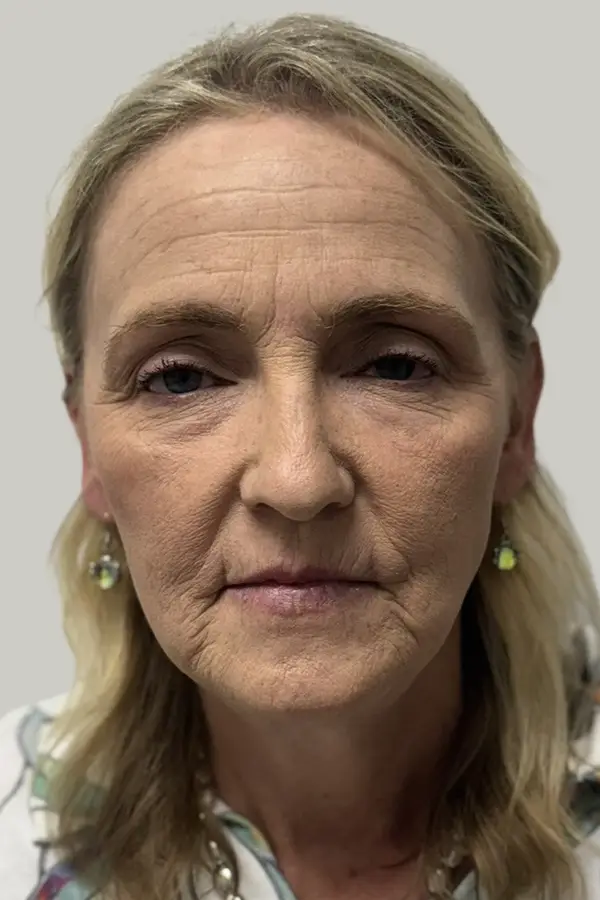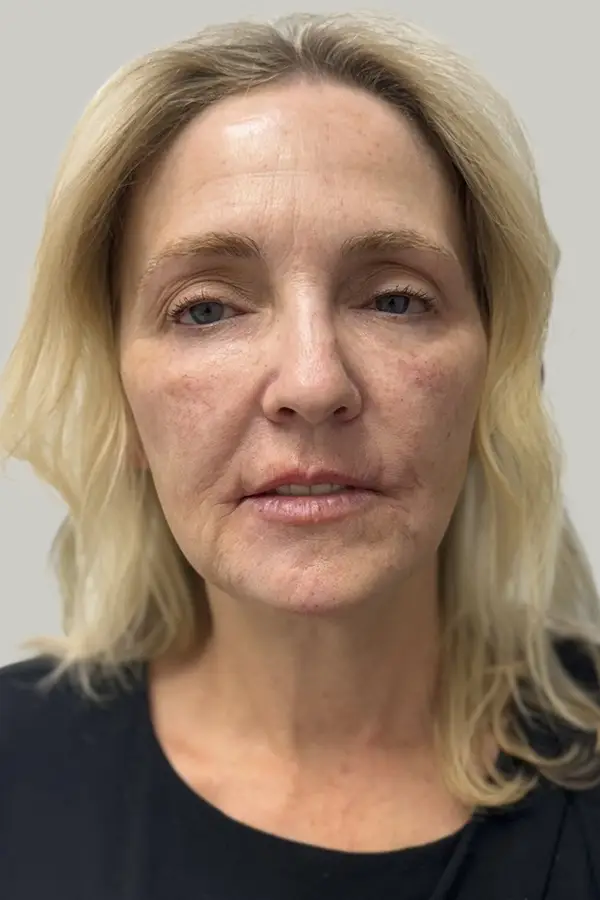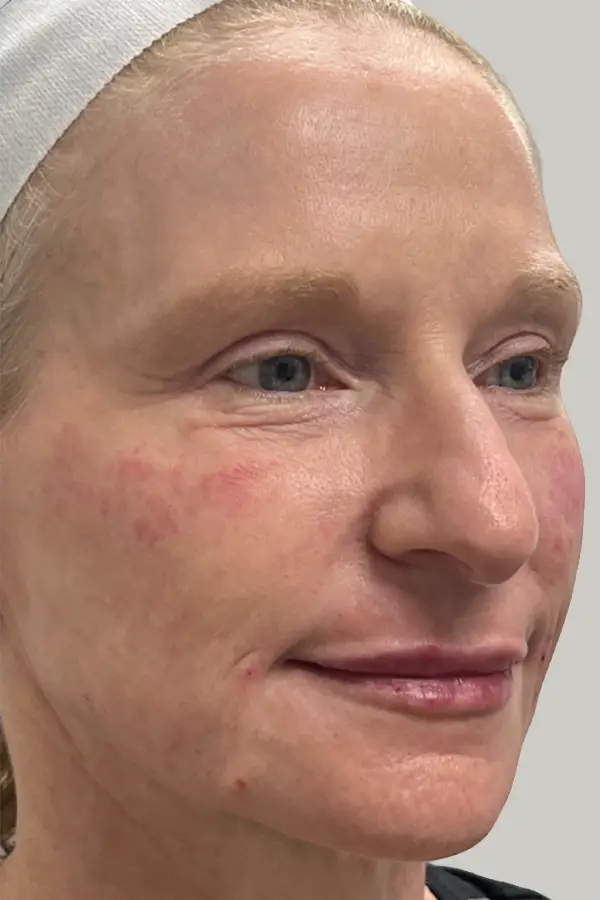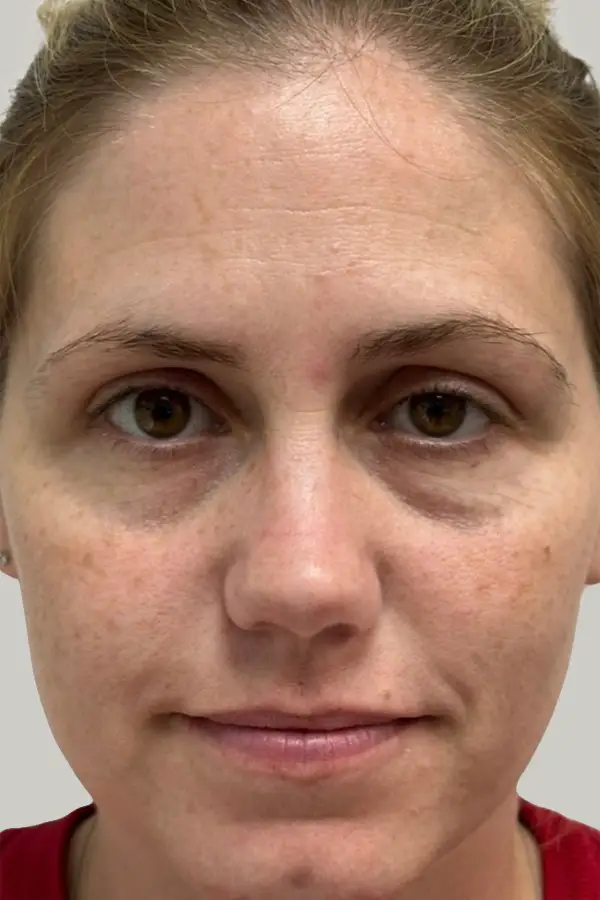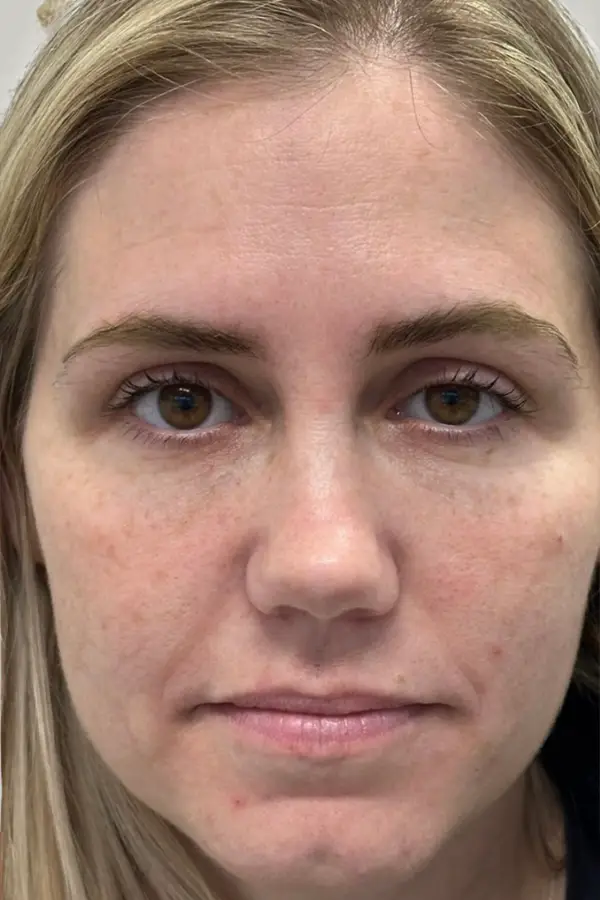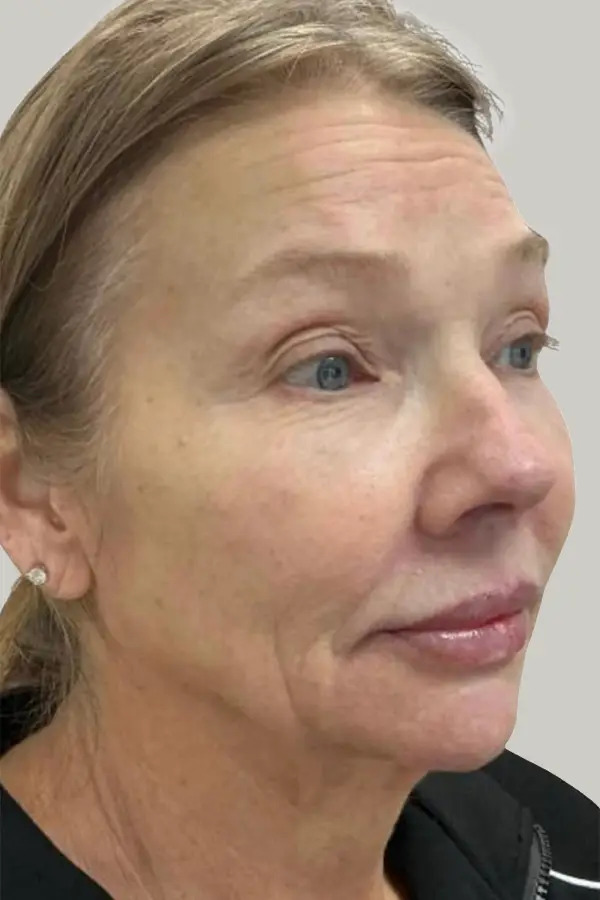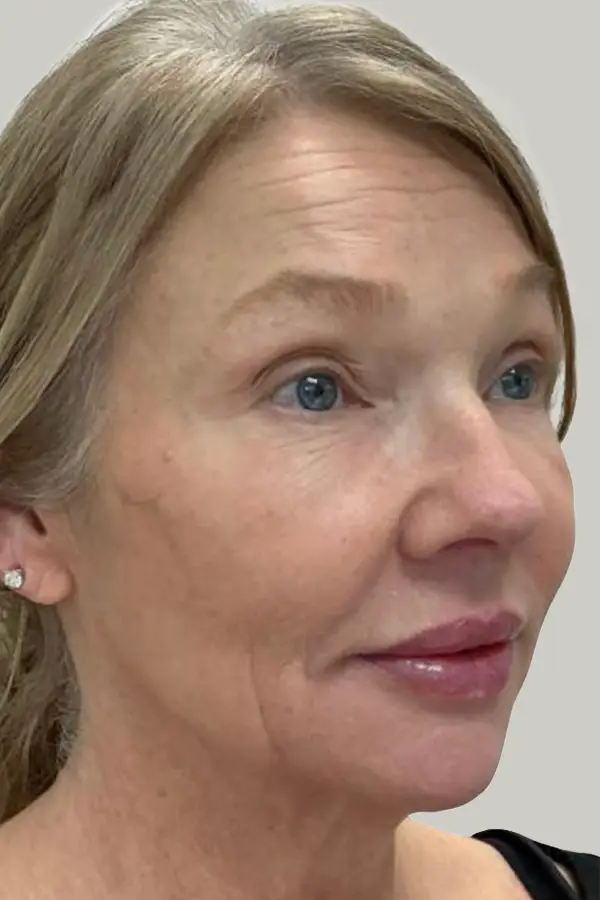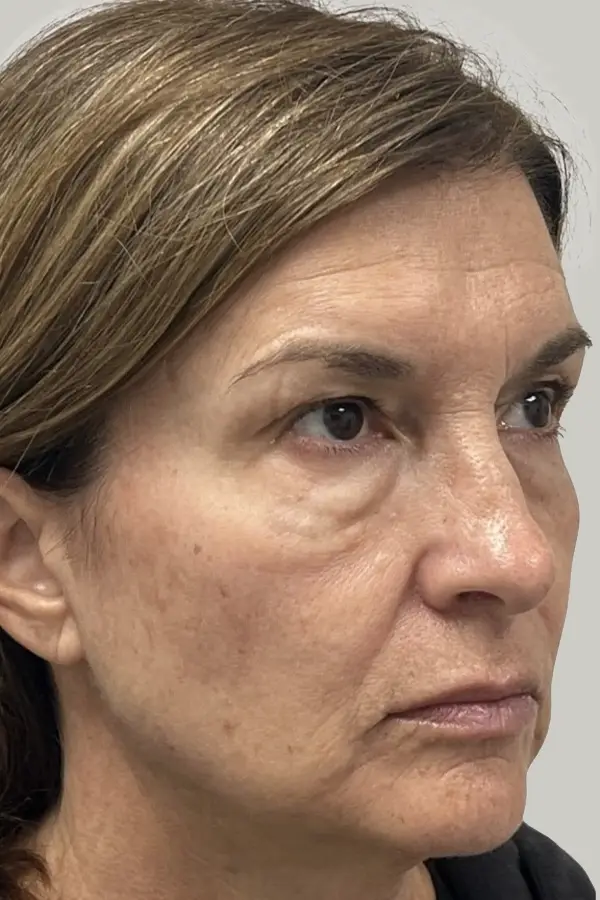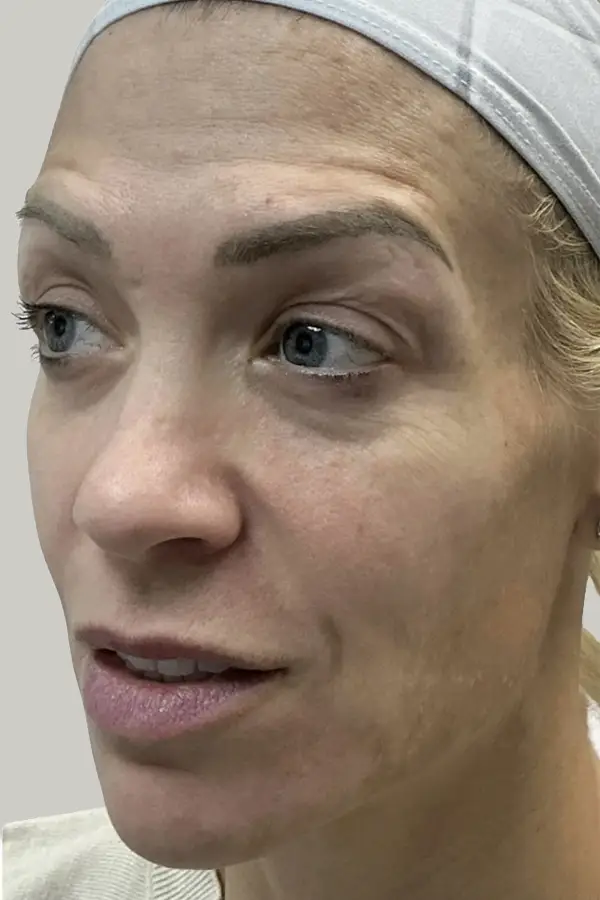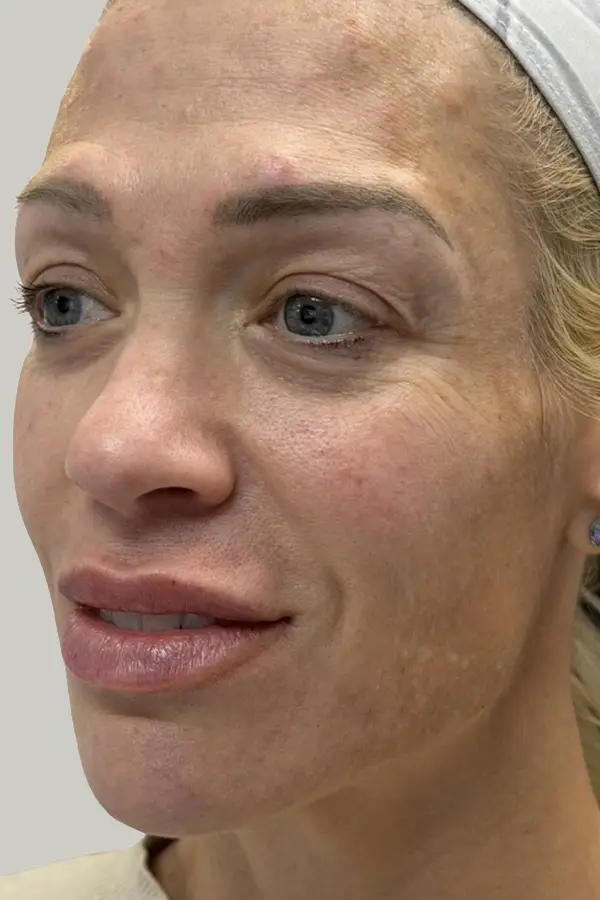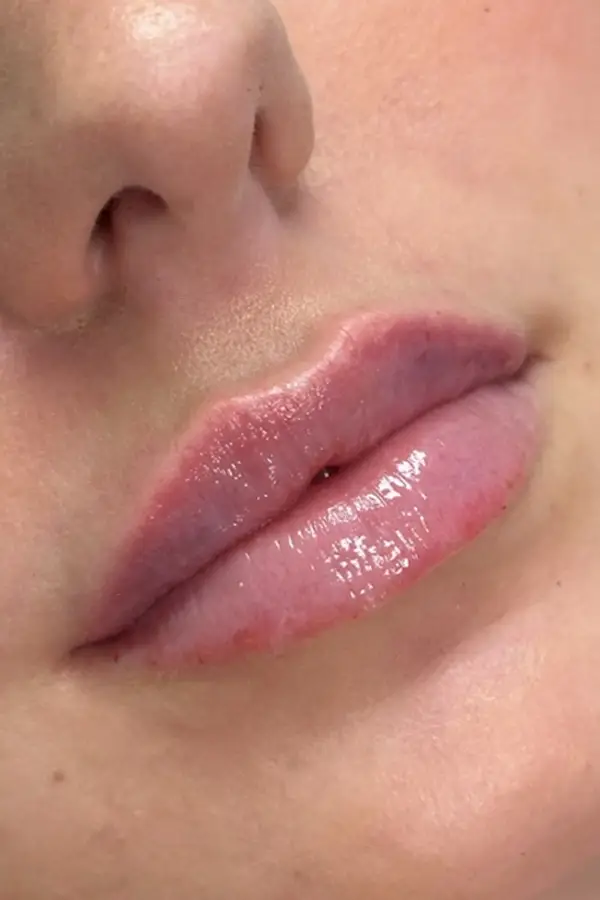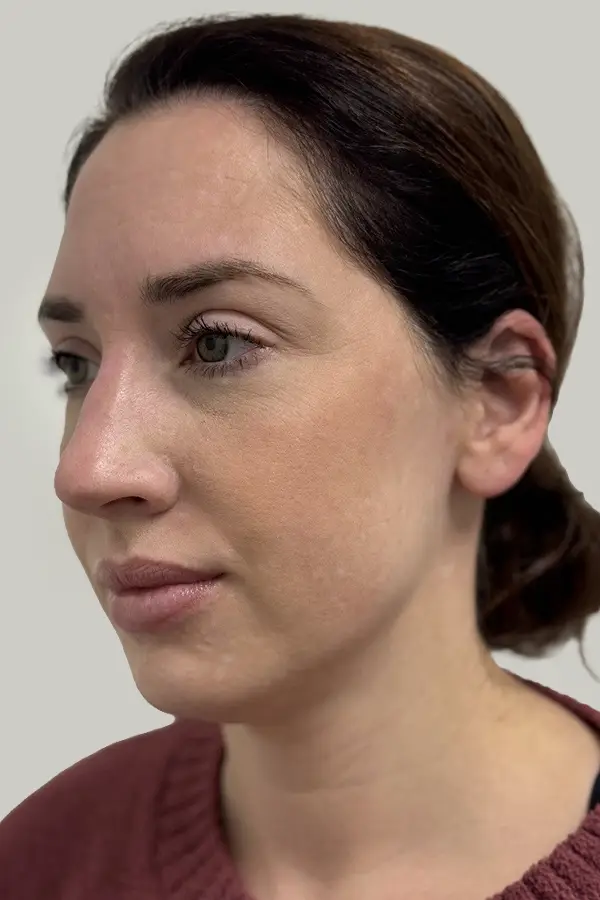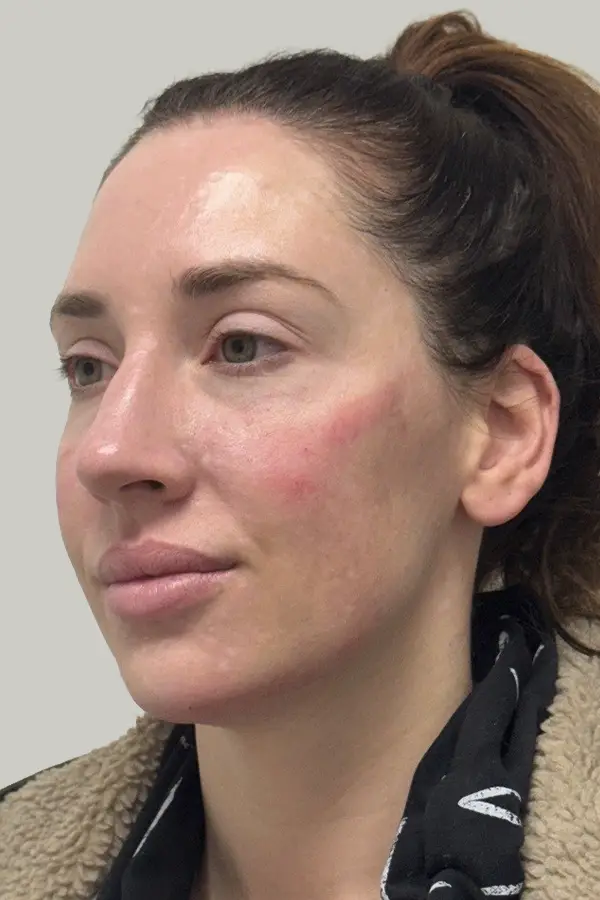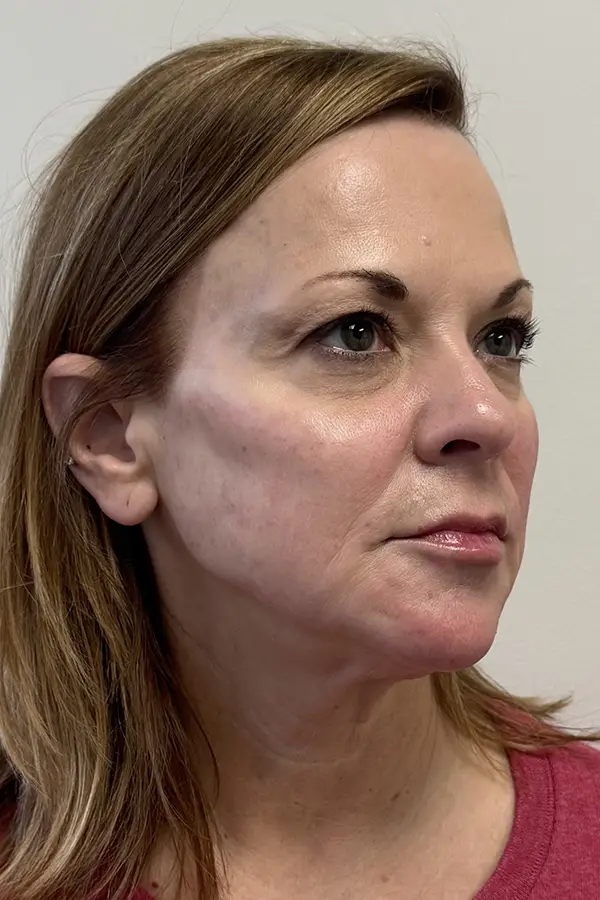

Smooth lines, restore lost facial volume, and enhance natural contours with dermal filler treatments designed to refresh your appearance while keeping results natural and balanced.
Get StartedDermal fillers are injectable treatments used to restore volume, smooth lines, and enhance facial features that may have changed with age.
Over time, the face naturally loses collagen, fat, and structural support. This can cause cheeks to flatten, lips to thin, and deeper lines to form around the mouth and nose.
Dermal fillers made with hyaluronic acid — a substance naturally found in the body — help replenish this lost volume and restore natural facial balance. When placed strategically, fillers can subtly enhance facial contours while keeping your overall appearance natural and refreshed.
Dermal fillers are made with a smooth gel that is carefully injected beneath the skin to restore volume and support areas that have begun to lose structure.
Because hyaluronic acid attracts water, fillers also help hydrate and plump the skin, softening lines and improving overall facial contours.
Treatment can enhance areas such as the cheeks, lips, chin, jawline, and under eyes. Results are visible immediately and continue to improve as the filler settles over the following days.
.webp)

The hands reveal age through volume loss, skin thinning, and sun damage. Treatment restores a fuller, smoother appearance.
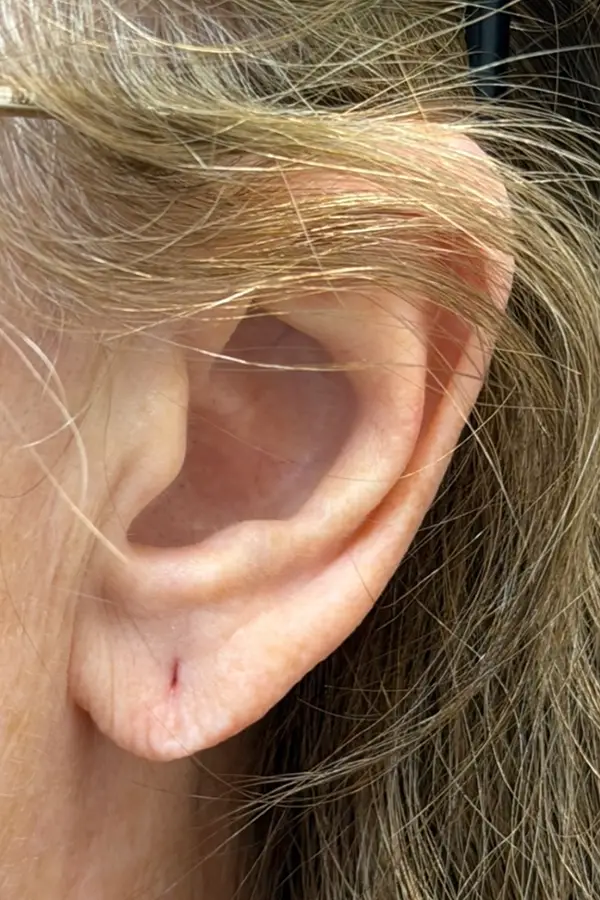
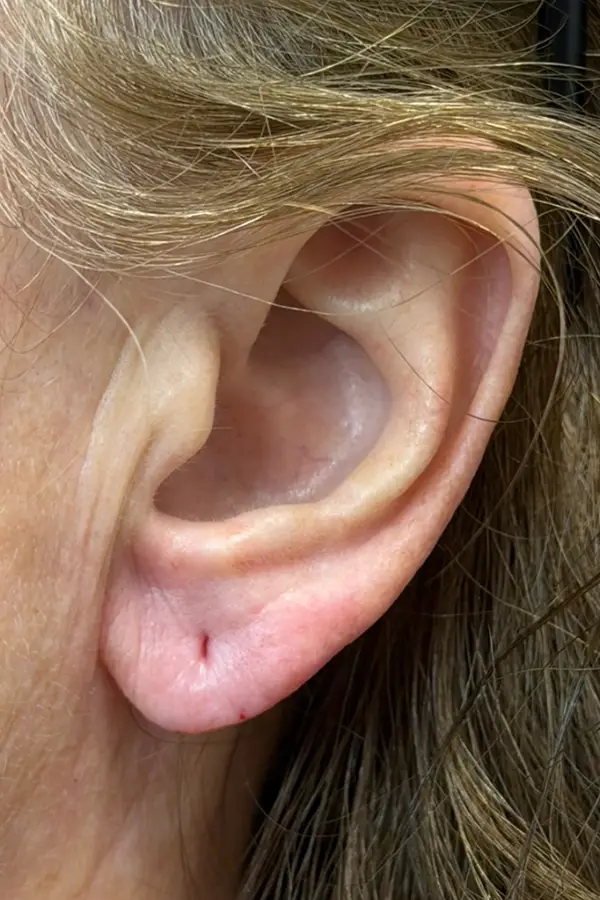
The earlobes can lose volume and elongate over time, particularly from earring wear. Filler restores shape and supports earring placement.
The sidewalls of the nose influence how the central face transitions into the cheeks and under-eye area and can affect nearby fold patterns.
The lips are central to facial balance, softness, and expression. Over time they may lose shape, definition, and hydration.
This area affects expression and can contribute to a downturned or unhappy appearance when it becomes heavy or pulls downward.
The chin influences facial proportion, profile balance, and lower-face shape. Changes here can affect harmony and projection.
Smile lines run from the sides of the nose toward the corners of the mouth and often deepen with volume loss and repeated expression.
The jawline helps define the lower face. Changes here can soften contour and reduce the sense of structure and definition.
The temples contribute to upper-face balance and framing. Volume loss here can create a hollowed look and affect facial harmony.
These lines at the outer corners of the eyes form with repeated expression and can deepen as skin loses elasticity.
The under-eye area is delicate and often one of the first places where hollowing, puffiness, and fatigue become visible.
The brow area shapes expression and facial openness. Changes here can contribute to heaviness, asymmetry, or a tired appearance.
The cheeks provide midface support, shape, and youthful volume. Changes here can affect contour, lift, and the appearance of nearby features.
A full-face view that considers how multiple areas work together structurally and aesthetically, rather than treating one feature in isolation.
The hands reveal age through volume loss, skin thinning, and sun damage. Treatment restores a fuller, smoother appearance.
The earlobes can lose volume and elongate over time, particularly from earring wear. Filler restores shape and supports earring placement.
The sidewalls of the nose influence how the central face transitions into the cheeks and under-eye area and can affect nearby fold patterns.
The lips are central to facial balance, softness, and expression. Over time they may lose shape, definition, and hydration.
This area affects expression and can contribute to a downturned or unhappy appearance when it becomes heavy or pulls downward.
The chin influences facial proportion, profile balance, and lower-face shape. Changes here can affect harmony and projection.
Smile lines run from the sides of the nose toward the corners of the mouth and often deepen with volume loss and repeated expression.
The jawline helps define the lower face. Changes here can soften contour and reduce the sense of structure and definition.
The temples contribute to upper-face balance and framing. Volume loss here can create a hollowed look and affect facial harmony.
These lines at the outer corners of the eyes form with repeated expression and can deepen as skin loses elasticity.
The under-eye area is delicate and often one of the first places where hollowing, puffiness, and fatigue become visible.
The brow area shapes expression and facial openness. Changes here can contribute to heaviness, asymmetry, or a tired appearance.
The cheeks provide midface support, shape, and youthful volume. Changes here can affect contour, lift, and the appearance of nearby features.
A full-face view that considers how multiple areas work together structurally and aesthetically, rather than treating one feature in isolation.
Not all fillers are the same. Different formulations are engineered for different areas, depths, and movement patterns. Here's how the products we use compare.
Go-to for subtle lip work and fine perioral lines. Soft enough to feel natural without adding bulk.
Flexible enough to move with expression, firm enough to fill deeper creases. Solid workhorse for nasolabial folds.
First-line cheek filler. Strong lift and projection for structural midface work, integrates cleanly.
Stiffest in the Juvéderm family. Built for jaw and chin where structural integrity matters.
Engineered to flex with cheek movement rather than stay rigid. Good choice for patients concerned about looking stiff when they smile.
Handles deeper folds with good flexibility. Pairs well with Refyne when treating multiple line depths in the same area.
Purpose-built for the tear trough. XpresHAn technology behaves well in the thin-skinned, high-movement under-eye area.
Strong patient satisfaction for lips. Flexible, hydrated feel. Good alternative to Volbella for patients wanting slightly more volume.
Reliable cheek filler with strong lift capacity. Slightly less forgiving for nuanced blending than Voluma.
Softer partner to Defyne. Best where flexibility matters more than projection, particularly in highly animated expressions.
Lightest in the RHA collection. Moves with the face rather than resisting it — reduces the stiff appearance traditional fillers produce in animated areas.
Most commonly used RHA for mid-face and perioral. Good balance of correction and flexibility for naturally expressive faces.
Firmest in the RHA collection. Structural depth with flexibility — an alternative to stiffer fillers for patients who want volume that moves.
First-line cheek filler. Strong lift and projection for structural midface work, integrates cleanly.
Stiffest in the Juvéderm family. Built for jaw and chin where structural integrity matters.
Flexible enough to move with expression, firm enough to fill deeper creases. Solid workhorse for nasolabial folds.
Go-to for subtle lip work and fine perioral lines. Soft enough to feel natural without adding bulk.
Reliable cheek filler with strong lift capacity. Slightly less forgiving for nuanced blending than Voluma.
Engineered to flex with cheek movement rather than stay rigid. Good choice for patients concerned about looking stiff when they smile.
Handles deeper folds with good flexibility. Pairs well with Refyne when treating multiple line depths in the same area.
Softer partner to Defyne. Best where flexibility matters more than projection, particularly in highly animated expressions.
Strong patient satisfaction for lips. Flexible, hydrated feel. Good alternative to Volbella for patients wanting slightly more volume.
Purpose-built for the tear trough. XpresHAn technology behaves well in the thin-skinned, high-movement under-eye area.
Lightest in the RHA collection. Moves with the face rather than resisting it — reduces the stiff appearance traditional fillers produce in animated areas.
Most commonly used RHA for mid-face and perioral. Good balance of correction and flexibility for naturally expressive faces.
Firmest in the RHA collection. Structural depth with flexibility — an alternative to stiffer fillers for patients who want volume that moves.
Product selection depends on your anatomy, goals, and your provider's clinical judgment. This chart is a reference — not a prescription.

Care guided by experience, precision, and a deep understanding of natural beauty.
get started