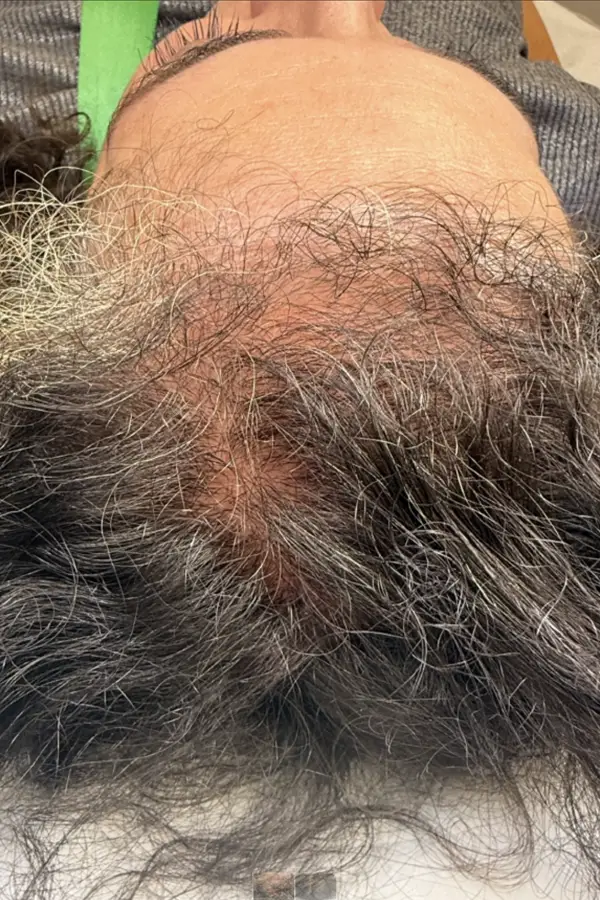
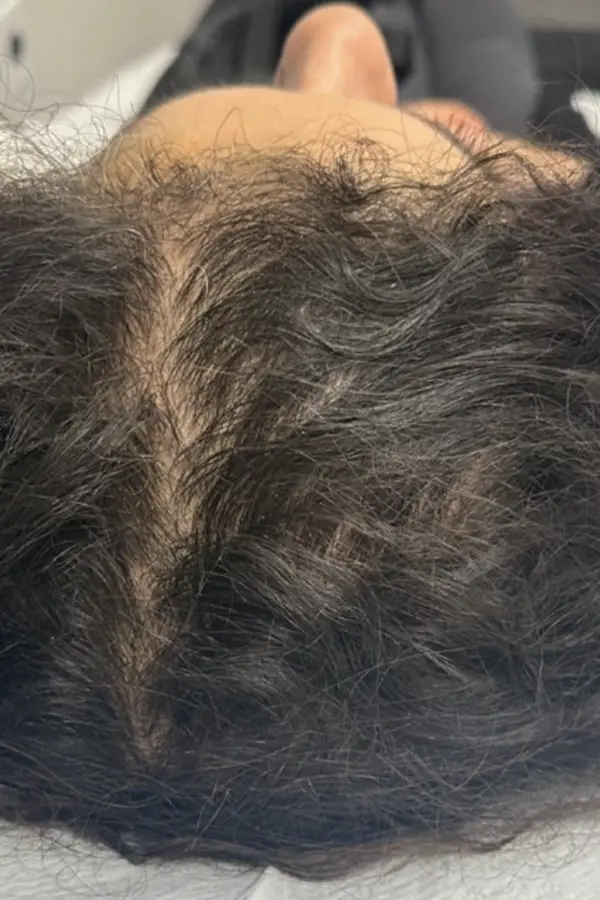
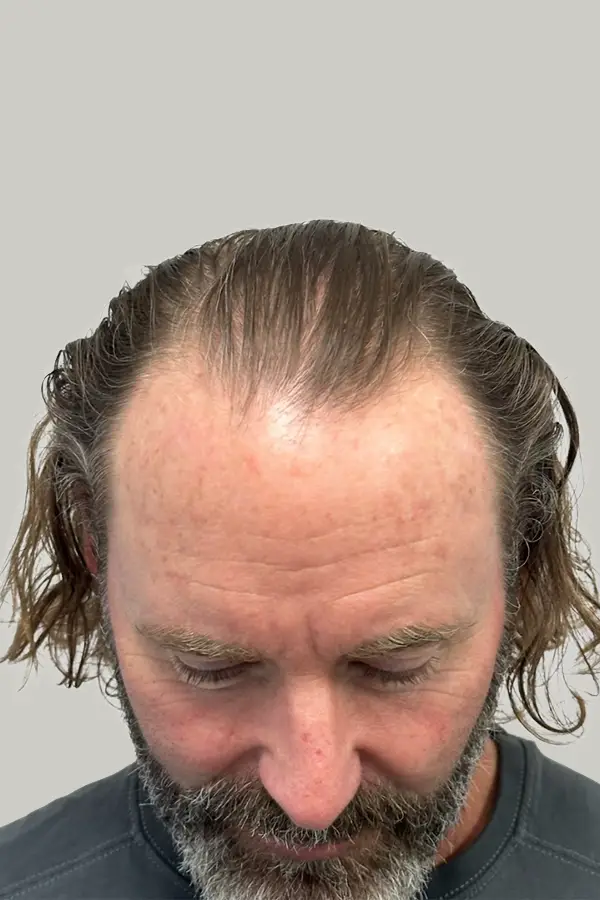
Male hair loss is predictable, progressive, and highly responsive to early intervention. CAMI offers evidence-based treatments that address androgenetic alopecia at the follicular level.
Get StartedMale pattern hair loss — androgenetic alopecia — is the most common form of hair loss in men, affecting the majority of men to some degree by their 50s. It follows a predictable pattern driven by the hormone dihydrotestosterone (DHT), which progressively miniaturizes hair follicles at the temples, crown, and hairline until they stop producing hair entirely.
The most important clinical fact about male pattern hair loss: it is progressive without intervention, and follicles that have fully miniaturized cannot be recovered. This makes timing critical. Early treatment preserves what exists; late treatment has significantly less to work with.
Most men begin noticing changes in their mid-to-late 20s or 30s. The earlier treatment begins, the more follicular activity can be maintained and the better the long-term outcome.

Male hair loss treatment at CAMI is built around the specific pattern, stage, and progression rate of each patient's loss. A baseline assessment identifies how active the miniaturization process currently is and which interventions are most appropriate.
Treatment approaches may include DHT-blocking medications that slow the progression of follicular miniaturization at the hormonal level, topical agents that extend the anagen (growth) phase of the hair cycle, platelet-rich plasma (PRP) therapy that delivers concentrated growth factors directly to the follicle, and nutritional optimization that supports the follicular environment.
Most patients see stabilization within 3–6 months and density improvement over 6–12 months of consistent treatment. Maintenance is ongoing — male pattern hair loss is a chronic condition and treatment that stops allows progression to resume.

Care guided by experience, precision, and a deep understanding of natural beauty.
get started