Lips
The lips are central to facial balance, softness, and expression. Over time they may lose shape, definition, and hydration.
get started.webp)
The lips are central to facial balance, softness, and expression. Over time they may lose shape, definition, and hydration.
get startedThe lips are composed of the orbicularis oris muscle, the vermilion (the visible red portion), the vermilion border, the Cupid's bow, the philtral columns, and the surrounding white roll. The upper lip is typically thinner than the lower, and the ideal proportion between the two varies by individual anatomy but generally follows a 1:1.6 ratio (upper to lower).
The lips are simultaneously one of the most visible features of the face and one of the most sensitive to volume excess. Over-filling is immediately obvious in a way that over-filling in almost any other area is not — the lips are constantly in motion and under close-range social scrutiny.
The best results are the ones where people think the patient just looks well-rested.
The lips are composed of the orbicularis oris muscle, the vermilion (the visible red portion), the vermilion border, the Cupid's bow, the philtral columns, and the surrounding white roll. The upper lip is typically thinner than the lower, and the ideal proportion between the two varies by individual anatomy but generally follows a 1:1.6 ratio (upper to lower).
The lips are simultaneously one of the most visible features of the face and one of the most sensitive to volume excess. Over-filling is immediately obvious in a way that over-filling in almost any other area is not — the lips are constantly in motion and under close-range social scrutiny.
The best results are the ones where people think the patient just looks well-rested.
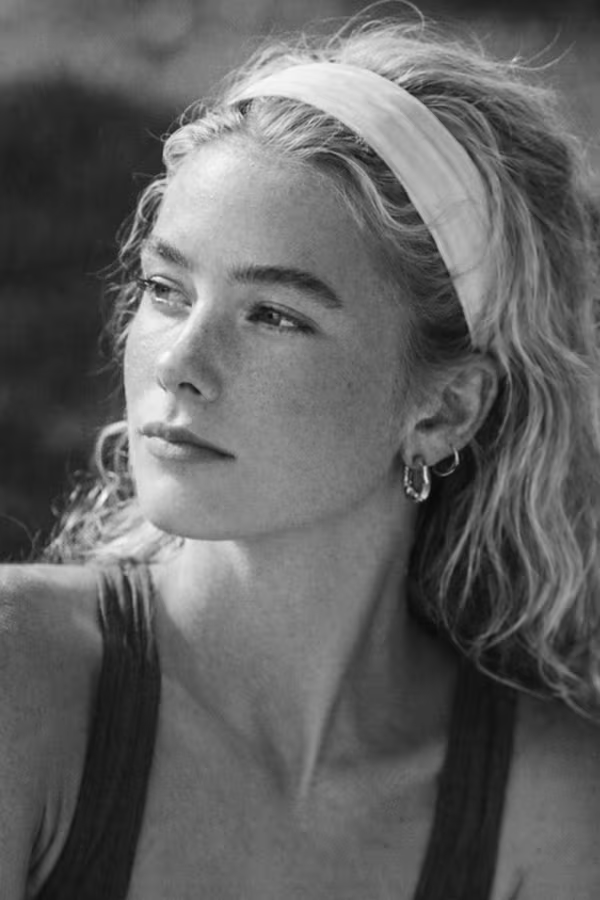
Lips at peak volume and definition; Cupid's bow well-defined, vermilion border crisp.
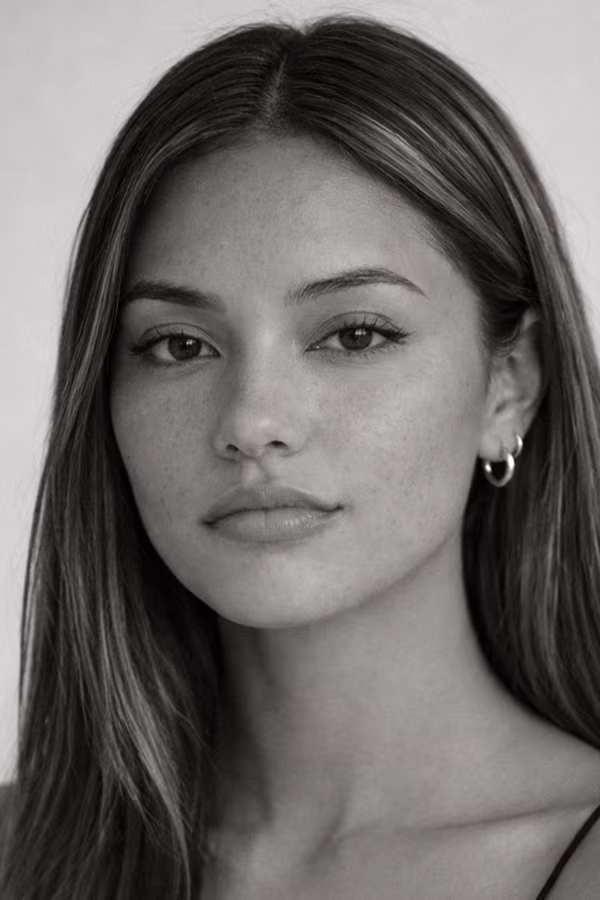
Early volume thinning; upper lip begins to flatten slightly, philtral definition softens.
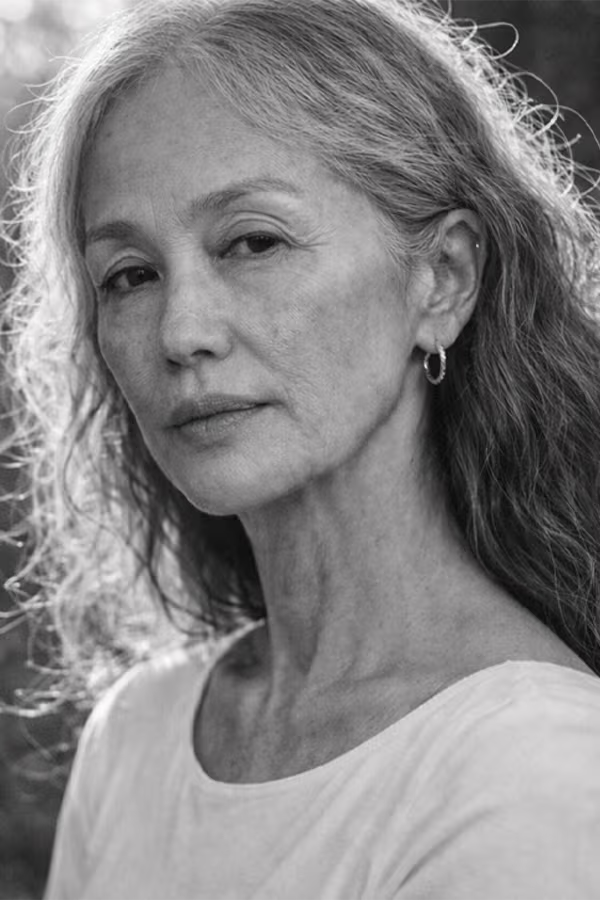
Visible volume loss; vermilion border less defined, lips begin to invert slightly.
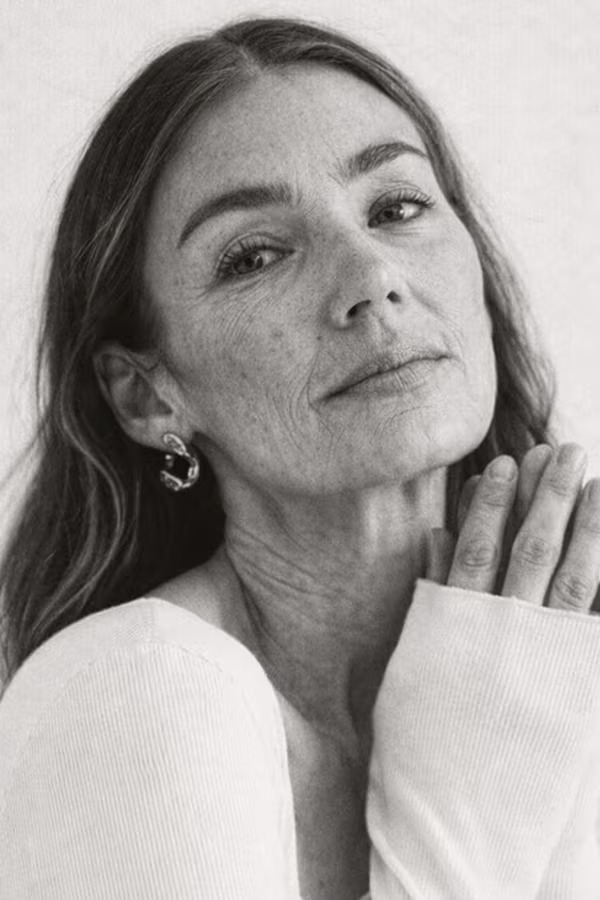
Significant thinning with perioral bone resorption; lips markedly thinner and less projected.
Lips are at peak volume, projection, and definition. The Cupid's bow is crisp, the philtral columns cast a natural shadow, and the upper-to-lower ratio is at its most balanced.
Early volume decline begins. The upper lip starts to thin first. Definition at the vermilion border softens slightly. Most patients notice this as a subtle change in how lipstick sits.
Volume loss becomes visible and affects overall lip shape. The vermilion border flattens, the Cupid's bow loses definition, and the upper lip may begin to roll slightly inward.
Significant thinning with underlying perioral bone resorption contributing to inversion and shortening of the lip. Restoration at this stage can be highly impactful but requires careful proportional planning.
Restore the volume and definition the lips had naturally before they changed
Improve the vermilion border definition that softens and flattens with age
Achieve natural enhancement that looks like the patient — not like filler
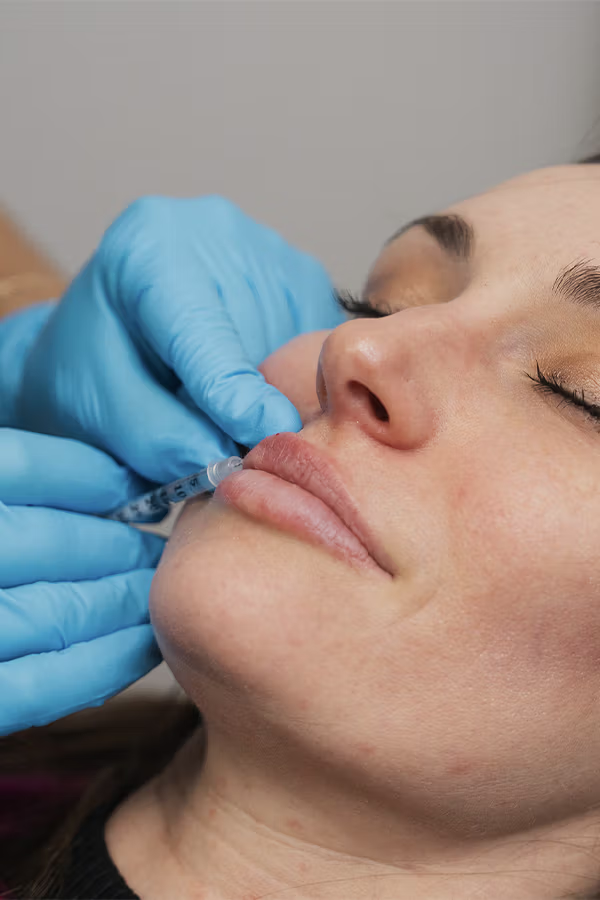
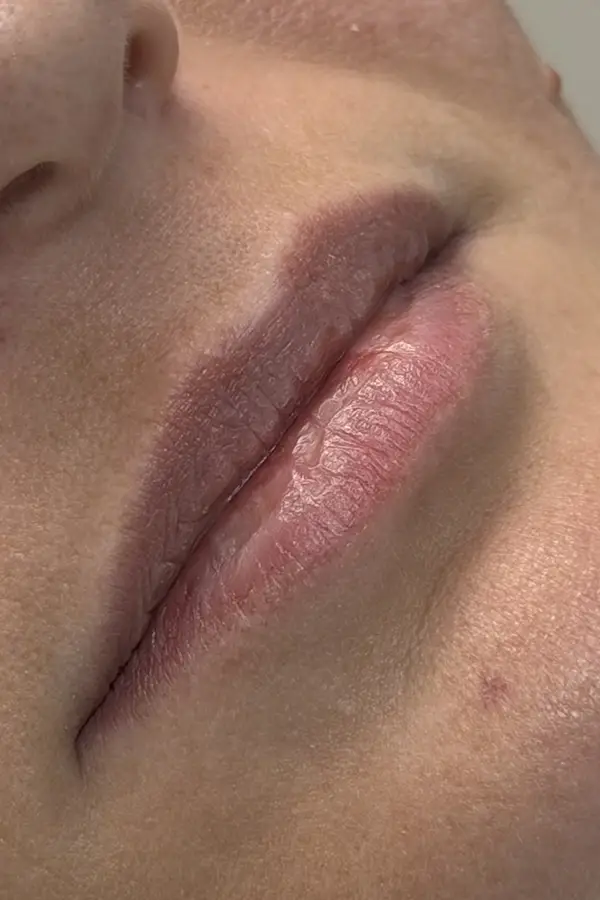
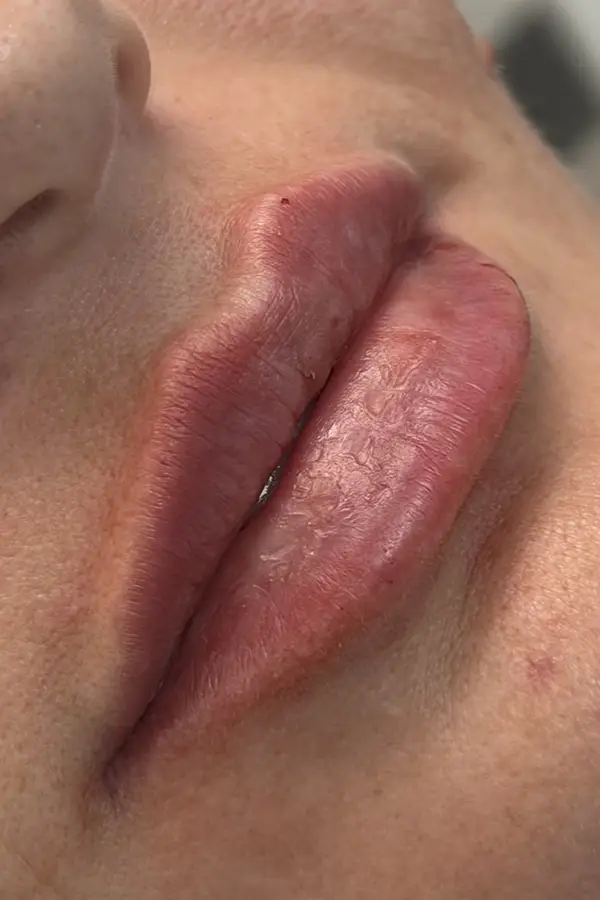
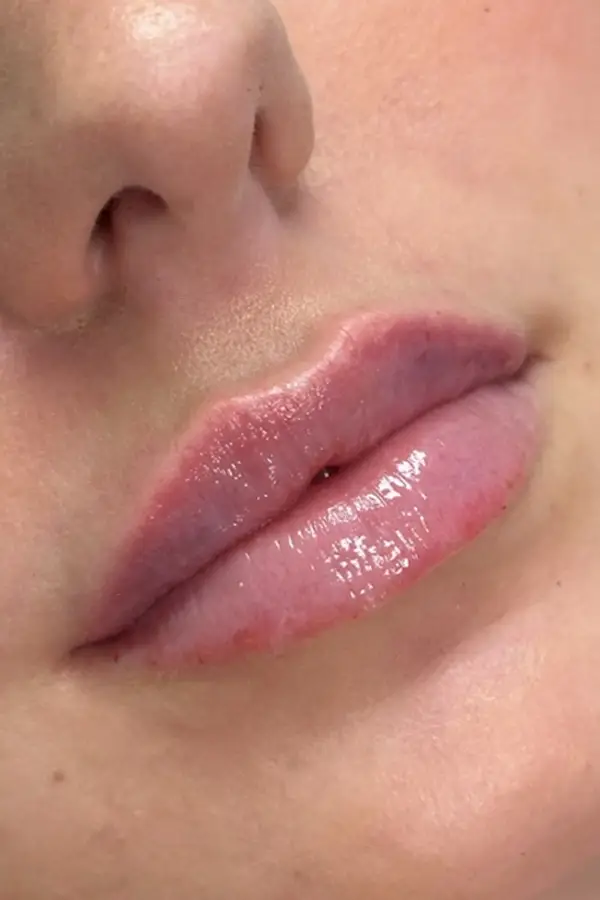
Lip treatment at Cami Aesthetics begins with proportion assessment. Before touching anything, we evaluate the existing lip shape, the upper-to-lower ratio, the Cupid's bow definition, and whether this is a restoration or augmentation case. We look at photos when available.
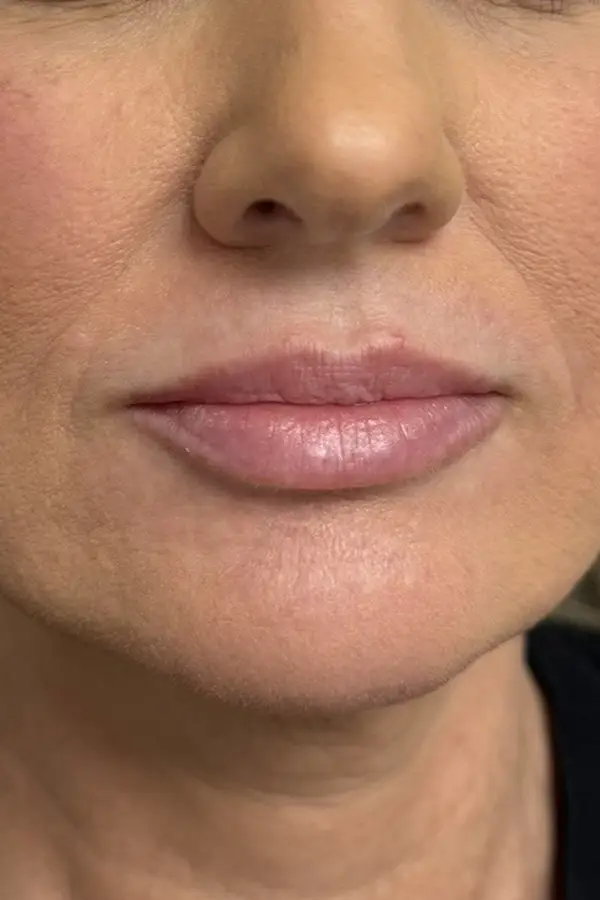
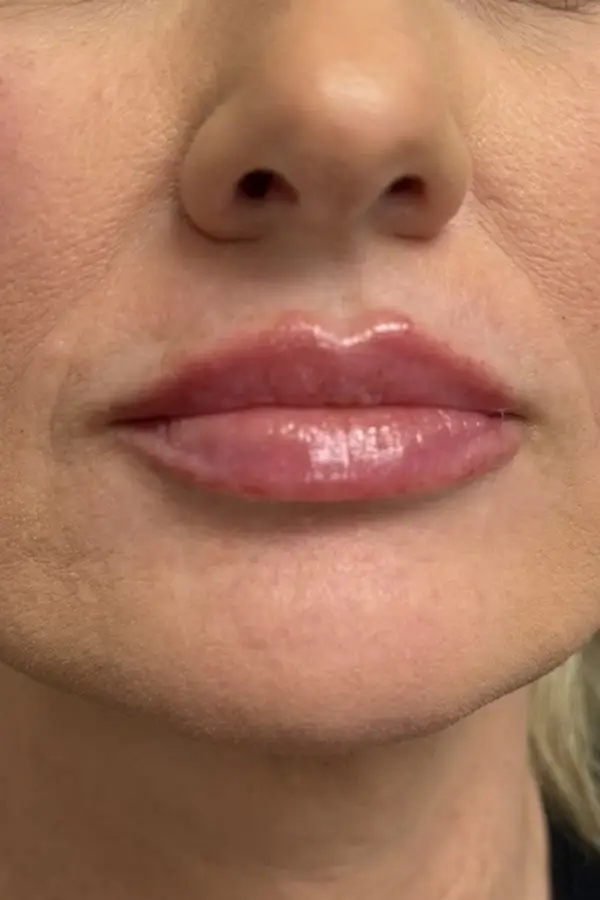
We use soft, flexible filler products appropriate for lip tissue. We start conservatively — it is far easier to add volume at a follow-up than to manage an overfilled result. The standard Cami Aesthetics starting volume for most lip cases is less than most patients expect, and the results are consistently better for it. The most common complaint in lip treatment isn't that the provider did too little. It's that they did too much.









I'm blown away with my Dysport experience with Madison. She is very knowledgeable, professional and meticulous.
Meredith is the absolutely best!! She is so sweet and her work is perfection! Always an amazing experience at Cami Aesthetics! Highly recommend.
.png)
I have been coming to Cami Aesthetics for 5 to 6 years now and their service is bar none! I’m always exceptionally pleased with my results, as I rotate Botox and Xenomin. The staff are very friendly and I always make me feel right at home!
I can’t say enough about the entire team at CAMI and overall experience as a new patient. My concerns were addressed and at no point did I feel rushed or pressured to make a decision. Katie and the entire staff put me at ease. My results are amazing and have made me feel so much more confident. Thank you CAMI! Highly recommend!
.png)
Ashley at Cami Aesthetics has been amazing. She made me feel comfortable before, during and after my treatments and helped me feel more confident in my appearance
I saw Madison for my Botox appointment and she was the best! She listened to my concerns and I’m very pleased with the results. She also recommended some great skincare products! Can’t recommend this office enough!
I had a wonderful experience with Madison Mikolajczyk,. From the very beginning, she explained everything about my face in detail and with such professionalism that I immediately felt comfortable. I truly appreciated her honesty in telling me exactly what I needed and what would work best for my features. She performed my filler injections using the cannula method and normal injections which left me with beautiful, natural-looking results—and no bruising at all. No one can do that using that method with no bruising. The entire process was completely painless, as she took her time and worked so gently.I couldn’t be happier with the outcome. My results are subtle, natural, and exactly what I hoped for. I’m truly in love with the way my face looks now and would highly recommend her to anyone seeking safe, professional, and natural enhancements. I did Sculptra, Botox and Radiesse filler looking forward for more.
I’ve had nothing but a great experience at Cami Aesthetics! Ashley is amazing at what she does, as someone who has never gotten any kind of injections before, she was very knowledgeable explaining everything to you beforehand, and will make you feel as comfortable and confident as possible!
I have been very happy with my services over the past few months. Meredith is so sweet and always makes my time there very comfortable. She is patient with me and never pushes me into anything I’m not comfortable with regarding my skin.
I love visiting the Cami Aesthetics location in Huntersville! They treat everyone special and I left feeling refreshed and uplifted. It was my first time meeting Katie, and she was spectacular! She spent time addressing my needs and concerns and I will definitely request an appointment with Katie again. Thank you Cami Aesthetics!!
Very personable fun atmosphere and relaxing. Normally I go to California for my facials but I feel very good going to CAMI in Huntersville for my beauty needs.
Easy to schedule consult and treatments! Wonderful welcoming staff at CAMI who make you feel relaxed and excited to be there. Will continue to choose CAMI for all cosmetic needs and recommend to everyone!
This is a great place to come for any facial treatments, fillers, etc. The staff is excellent and I felt totally pampered.
The team is awesome. The staff takes great care of me. I would highly recommend CAMI.
The team was amazing. This was my 1st time getting Botox. They were very thorough and informative. They made the experience easy.
Their team is highly skilled and very good at what they do. I have never had any type of facial treatments before and decided it was time for a little pick-me-up. They took the time to listen to my concerns and recommended the procedure that was best suited for the outcome I was wanting.
Ashley is fantastic! Professional, friendly, and extremely knowledgeable. She’s my go-to for all my skincare maintenance needs. I always leave feeling confident and refreshed!
.png)
I was honestly skeptical about trying CAMI since I hadn’t had the best experiences with Botox and other treatments elsewhere. But choosing CAMI turned out to be one of the best decisions I’ve made. Madison, in particular, is the best nurse and injector I’ve ever worked with—she’s honest, genuinely cares about your results, and makes you feel like her top priority. While the treatments are an investment, as we age a little extra care and attention truly go a long way.
I Love Cami Aesthetics, and all there staff! Katie Wilson is the absolute Beauty Making Queen!!! 👑 She is very particular when she was doing what I asked of and the results are perfection. I have recommended Cami Aesthetics to multiple people and they are just as please. Thank you Cami Aesthetics
I’m so glad I gave this med spa another chance. Everything feels completely different now in the best way. I had a hydrafacial and hydr with Meredith and noticed an immediate improvement in my skin. I went back and purchased a microneedling package, and the results have been good so far. Meredith truly made my experience there so much better. She made me feel comfortable, welcomed, and kept me laughing the entire time. She is also very honest, which I really appreciate. I’ve finally found my person, and I won’t let anyone else touch my face. Highly recommend!