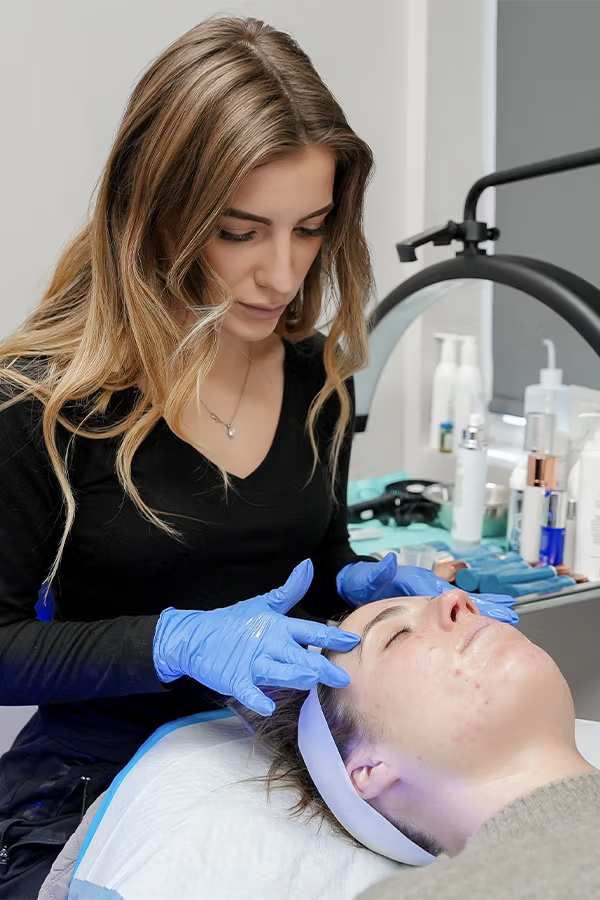
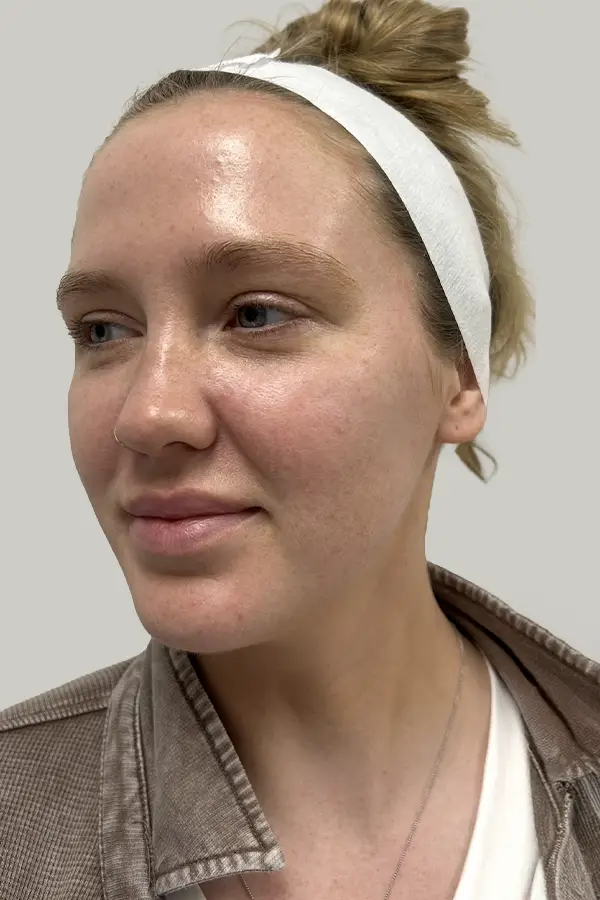
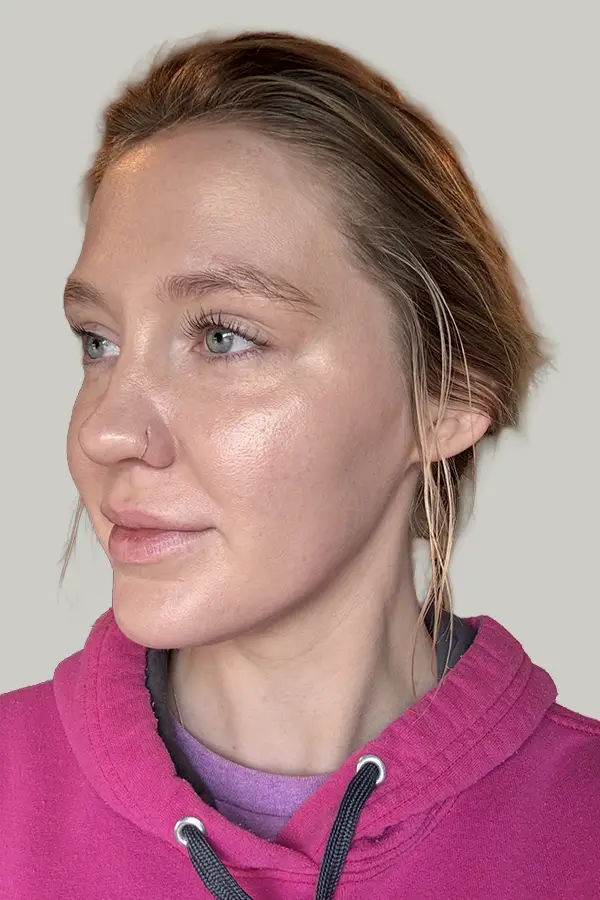
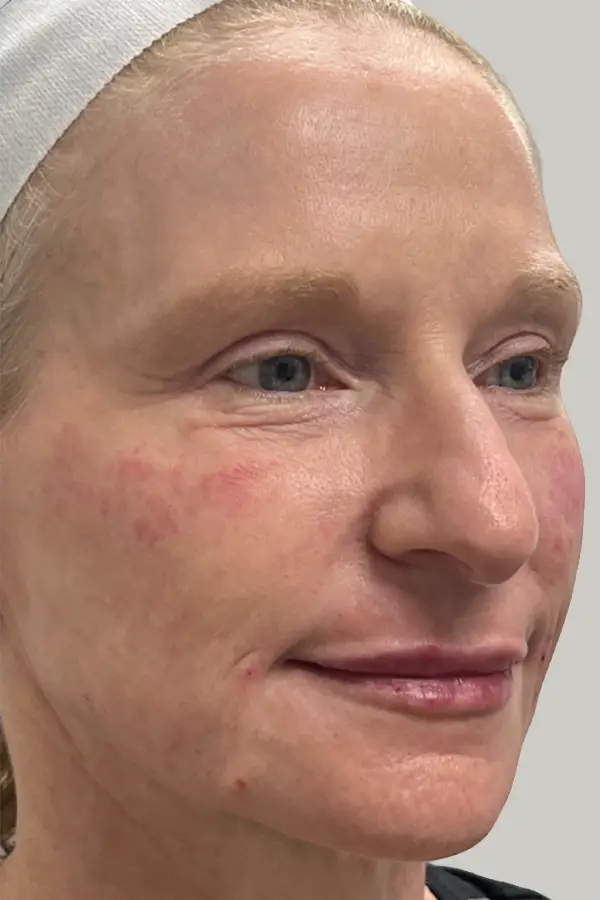
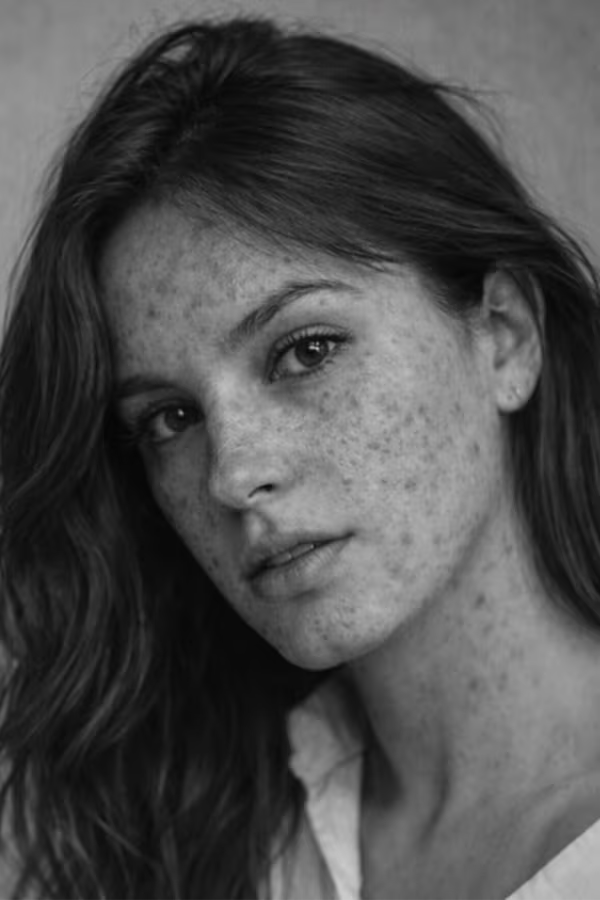
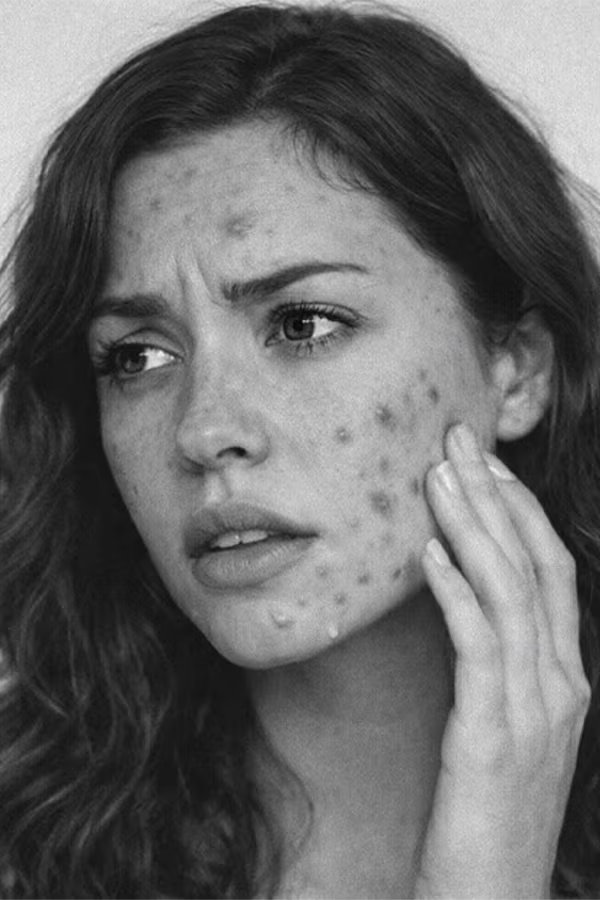
Black and white close-up representing uneven skin texture and surface irregularity concern at CAMIBlack and white close-up representing uneven skin texture and surface irregularity concern at CAMI

Uneven Skin Texture: What's Causing It and How to Resurface It

Uneven skin texture is a visual and structural concern that reflects light inconsistently and makes skin look older or worn. It responds best to resurfacing treatments that address the surface and what's beneath it.

get started
Skin Texture & Tone

Uneven texture isn't one thing. The treatment that works depends entirely on what's behind it.

What It Is

Uneven skin texture refers to a skin surface that is visually irregular — with variations in height, smoothness, or light reflection that make the skin look bumpy, rough, or inconsistently finished. Unlike pigmentation concerns (which affect color), texture concerns affect the physical surface of the skin. Most patients with texture concerns have a combination of drivers rather than a single cause, which is why effective treatment typically requires a multi-modal approach.

Why Patients Seek Treatment

Most patients come in describing a skin quality concern they can see but struggle to name precisely. Uneven texture is often what they mean. It's the reason foundation doesn't sit right, the reason photos look different from how they expect.

UNDERSTANDING THE SCIENCE

Texture irregularity builds from multiple directions simultaneously — surface, structure, and damage.

What Causes It
Common Signs
Why It Changes Over Time
How It's Commonly Addressed
01

What Causes It

Uneven skin texture is a visual surface quality that can have multiple drivers occurring simultaneously.

UV damage: Sun exposure thickens the stratum corneum unevenly, creates pigment irregularity, and degrades the underlying collagen that supports a smooth surface. The primary cause of diffuse texture irregularity in adults.

Irregular cell turnover: As renewal slows with age, dead cells don't shed evenly — leaving patches of buildup that create surface variation.

Acne scarring: Even mild acne can leave behind textural changes in the dermis that read as bumpy or pitted surface irregularity.

Enlarged pores: Dilated pore openings contribute to a bumpy surface quality, particularly in the T-zone.
02

Common Signs

Patients with uneven skin texture typically notice:

  • A bumpy or irregular skin surface visible in certain lighting or photos
  • Foundation that doesn't sit evenly across the face
  • A skin quality that looks older or more worn than the patient expects
  • Visible variations in surface height, from pores and acne scarring to UV-thickened patches
  • Texture that feels smooth in some areas and rough or bumpy in others
03

Why It Changes Over Time

Skin surface quality is one of the most visible markers of cumulative sun exposure. The texture irregularity that's minor at 35 can become the dominant visual concern by 50 in patients who haven't addressed it. UV damage compounds, cell turnover slows, and the collagen that once smoothed the surface from below continues to decline.

Patients who start resurfacing — peels, retinoids, laser — in their 30s maintain meaningfully smoother texture through their 40s and 50s compared to those who wait for the concern to become significant.

04

How It's Commonly Addressed

Uneven skin texture responds to resurfacing — treatments that remove or remodel the irregular surface layer.

  • Chemical peels: Remove the damaged outer layer of skin and stimulate renewal. A series of peels produces progressive improvement in texture, pigment, and surface evenness. Best for mild to moderate irregularity.
  • Retinoids: Accelerate cell turnover and stimulate collagen in the dermis. Over 3–6 months, consistent retinoid use measurably improves surface texture in most patients.
  • RF microneedling: Creates controlled micro-injuries that stimulate deep collagen remodeling while also improving the skin surface. Particularly effective for texture with a scarring or structural component.
  • Laser resurfacing: Ablative or fractional laser removes damaged surface tissue and stimulates collagen remodeling at depth. The most aggressive non-surgical option for significant texture irregularity.

We resurface what skincare can't reach.

At CAMI, uneven texture treatment starts with understanding the dominant cause. Texture from UV damage looks and responds differently from texture driven by acne scarring or pore irregularity. The protocol is built around the source, not just the symptom.

We sequence resurfacing by intensity — starting with chemical peels and retinoids to establish a foundation, adding RF microneedling or laser when topical-only approaches plateau. Patients who commit to a series of treatments and maintain the results with a strong skincare routine see durable improvement.

get started

Treatments for
This Concern

FAQ

What causes rough or uneven skin texture?
What treatments improve skin texture most effectively?
What causes enlarged pores?
Can enlarged pores be minimized?

Explore Related
concerns